

Best Japanese Green Tea Brands for Every Taste and Budget
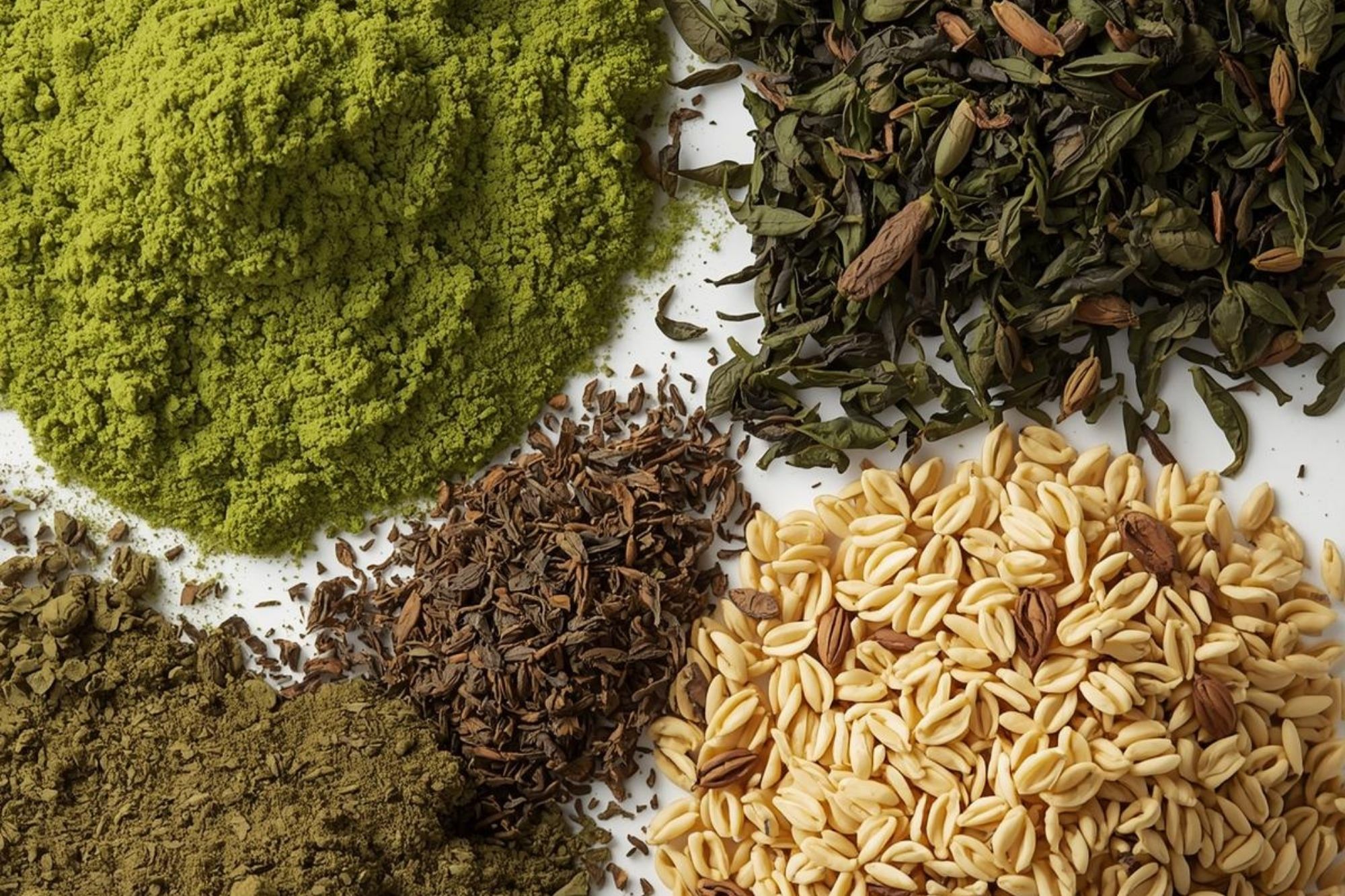
Japanese green tea has a charm that grabs your attention the moment the leaves hit hot water. Fresh, steamed, full of life. Sencha tea for everyday sipping. Gyokuro for slow mornings. Genmaicha when you want something cozy.
And let’s not forget matcha powder for a nutritious matcha latte that feels like a treat.
Japan has many spots known for great tea, like Kyoto and Shizuoka. Each area brings a small twist to the taste, and that’s part of the fun. You can find tea bags for busy days or loose-leaf tea when you feel like brewing something special.
Choosing the best Japanese green tea brand should be simple. Stick around, and we’ll help you pick the ones worth adding to your kitchen shelf.
What Makes Japanese Green Tea Special
Japan doesn’t treat green tea like a regular drink. Producers steam the leaves as soon as they’re picked, which locks in a green color you notice right away and keeps the fresh aroma alive.
Most other countries pan-fire their tea leaves, so the taste shifts in a different direction. The steamed style gives Japanese green tea a smooth feel and a calm kind of depth.
Shading is another big deal. Gyokuro Teas and many matcha fields stay covered for weeks before harvest. Less sunlight means more natural sweetness in the leaves, and a pleasant umami taste you don’t usually find elsewhere.
That technique is part of what turned powdered green tea, like matcha powder, into a favorite for everything from a bowl of tea to a matcha latte.
Japan also cares about clarity in flavor profile. Regions such as Kyoto, Shizuoka, and Kagoshima have their own ideas about steaming and farming.
That creates noticeable variety inside the same category: Sencha tea, bancha, genmaicha, tamaryokucha—each shaped by local choices.

How to Choose a Japanese Green Tea Brand
Freshness changes everything. A good Japanese green tea brand protects the aroma with airtight packaging.
Loose-leaf tea usually has more character, while tea bags make life simple when you’re rushing out the door.
Matcha lovers face an easy fork in the road. Organic matcha gives extra peace of mind for some customers, but a well-made regular matcha powder can taste fantastic and cost a bit less. No wrong choice here.

A few quick points help narrow things down:
- Steaming style: Fukamushi (deep steamed) feels fuller, while standard steaming keeps the taste sharper.
- Region: Kyoto is smooth, Shizuoka feels fresh, Kagoshima leans bold.
- Brewing style: Teapots give more control, simple infusion supports busy mornings.
- Leaf grade: Higher-grade leaves hold more aroma and look vibrant green, while everyday grades are friendly for regular sipping
- Packaging date: A recent harvest or pack date keeps the flavor lively, especially with loose-leaf teas and matcha powder
You can also look at how a producer talks about the tea. Clear harvest details and growing techniques show that they care about quality.
If you’re just getting into Japanese tea, sencha or genmaicha offers a friendly start. If you already know your way around a cup, gyokuro or tamaryokucha gives a deeper experience.
Best Japanese Green Tea Brands
There’s no single winner here. Each brand earns its reputation in a different way—whether that’s pure matcha excellence, everyday sencha, or teas that ship fresh to customers around the world.
Here’s what you should know before you click “add to cart.”
1. Ippodo Tea
Kyoto has many famous tea houses, but Ippodo Tea is one of the easiest names to trust. They’ve been doing this since the 1700s, which helps explain the steady quality.
Their green tea line covers sencha, gyokuro teas, and powdered green tea that works well in a matcha latte. They also offer bottled teas for convenience.
If you want tradition without guesswork, this brand keeps things consistent and enjoyable.

2. Marukyu Koyamaen
If matcha sits at the center of your life, this is the producer you want to know. Marukyu Koyamaen is also based in Uji, Kyoto, and many tea ceremony teachers recommend their matcha powder for its smooth taste and balanced umami.
They offer organic matcha options, too, which helps if you prefer products grown with extra care.
![Marukyu Koyamaen Premium Ceremonial Grade Matcha [Japan][Multiple Grades] (Aorashi, 40g)](https://m.media-amazon.com/images/I/31qmaXfFBTL._SL160_.jpg)
3. Ito En
Ito En is everywhere in Japan—grocery stores, vending machines, cafés — and that should tell you something.
Their teas are designed for daily drinking, whether you reach for sencha, bancha, or jasmine-flavored blends.
Their bottled teas are some of the most popular in the world. If practicality matters to you, this brand makes tea part of your everyday routine instead of a special event.


4. Yamamotoyama
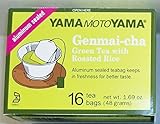
Yamamotoyama is one of the oldest tea companies still active today. They focus on approachability, selling tea bags that keep brewing fast and stress-free.
Their genmaicha and bancha make significant first steps into Japanese tea, especially if you don’t want to fuss with loose leaves just yet. You get a nice balance of price and familiarity.
5. Ocha & Co.
Many customers outside Japan discover this brand early in their tea curiosity. The company ships matcha powder and loose-leaf tea directly from producers in Japan.
If you worry about freshness when buying internationally, this is a helpful way to skip old stock and drink something vibrant.
Quick Recap
Japan gives you so many ways to enjoy green tea. Sencha can brighten your mornings, matcha powder can turn into a cozy matcha latte, and gyokuro can slow time down in the best way.
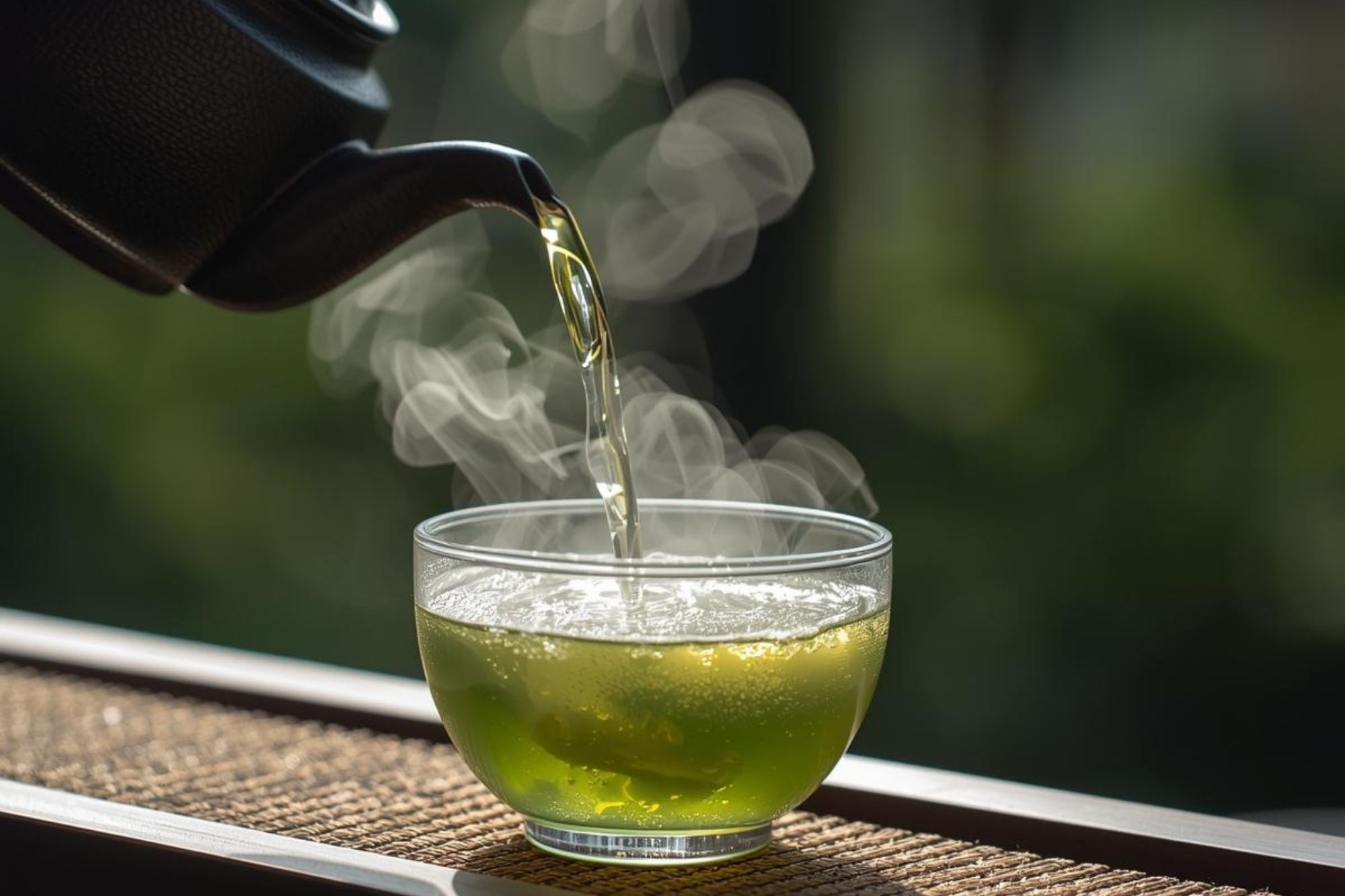
The best Japanese green tea brand depends on how you like to drink. Freshness, steaming style, and region all shape the flavor, so notice what feels good in your cup.
You might enjoy the heritage of Ippodo Tea, the matcha strength of Marukyu Koyamaen, or the fresh delivery from Ocha & Co.
Those three alone can cover a wide range of routines. Japanese tea is calm, thoughtful, and shaped by techniques passed down for ages.
Try a few cups, follow what you enjoy, and see which one becomes part of your day.
