

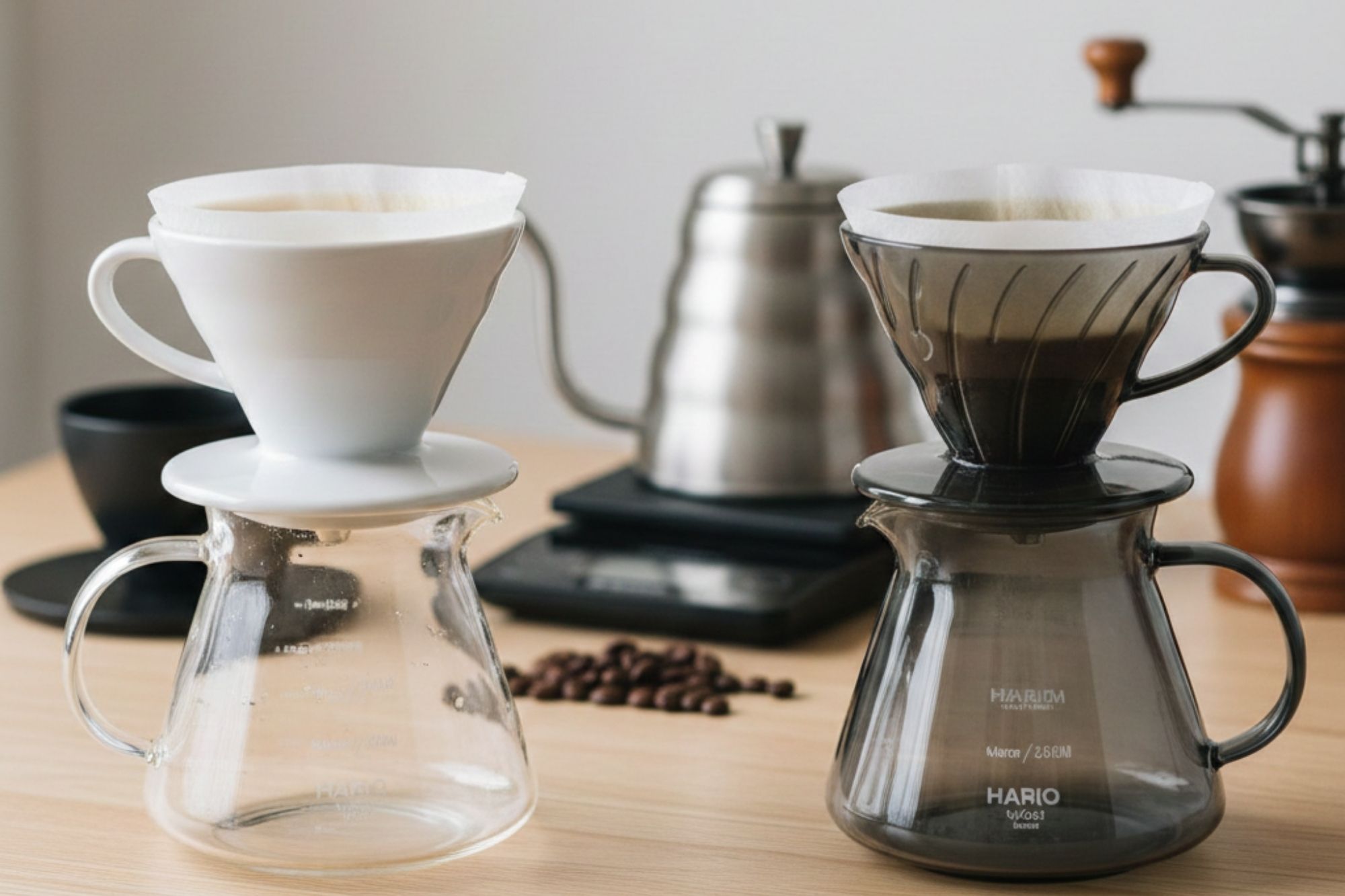
Hario V60 Ceramic vs Plastic: Which Makes the Better Cup?
When pour-over brewing, the Hario V60 is often the first tool people reach for.
It looks simple – perhaps even insignificant – but the material of the dripper plays a fundamental role in your coffee. A ceramic Hario V60 behaves differently from a plastic version because heat transfer and heat retention affect extraction, bloom, and final taste.
Hot water cools at different speeds, changing brew time, acidity, and the flavor profile in your cup.
Some want a full-bodied cup with steady temperature, while others prefer a fast, travel-friendly setup that keeps things easy.
If you’ve ever wondered why the same beans taste slightly different from one dripper to another, you’re in the right place. Let’s see what makes the Hario V60 ceramic vs. plastic worth considering.
Why the Dripper Material Matters
Material changes more than the look of a dripper. It changes how hot water behaves from the first pour to the final drip.
Ceramic absorbs heat from the hot water and retains it, keeping the brewing temperature stable from bloom to finish.
That extra warmth encourages a rounder body and softer acidity because extraction stays even. Plastic acts the opposite way. It barely absorbs heat, so the water keeps its initial temperature instead of warming the dripper first.
This makes plastic great when you want a fast start, yet the temperature drops sooner during a slow pour. As the heat fades, acidity can feel sharper and flavors a bit brighter.
A steady temperature gives the coffee bloom a smoother start, while rapid heat loss may cause a slight spike in acidity.
Your pour technique matters too. A gooseneck kettle helps control the flow, but the dripper material still influences brew time and how minerals mix into the cup.

What to Expect From a Ceramic Hario V60
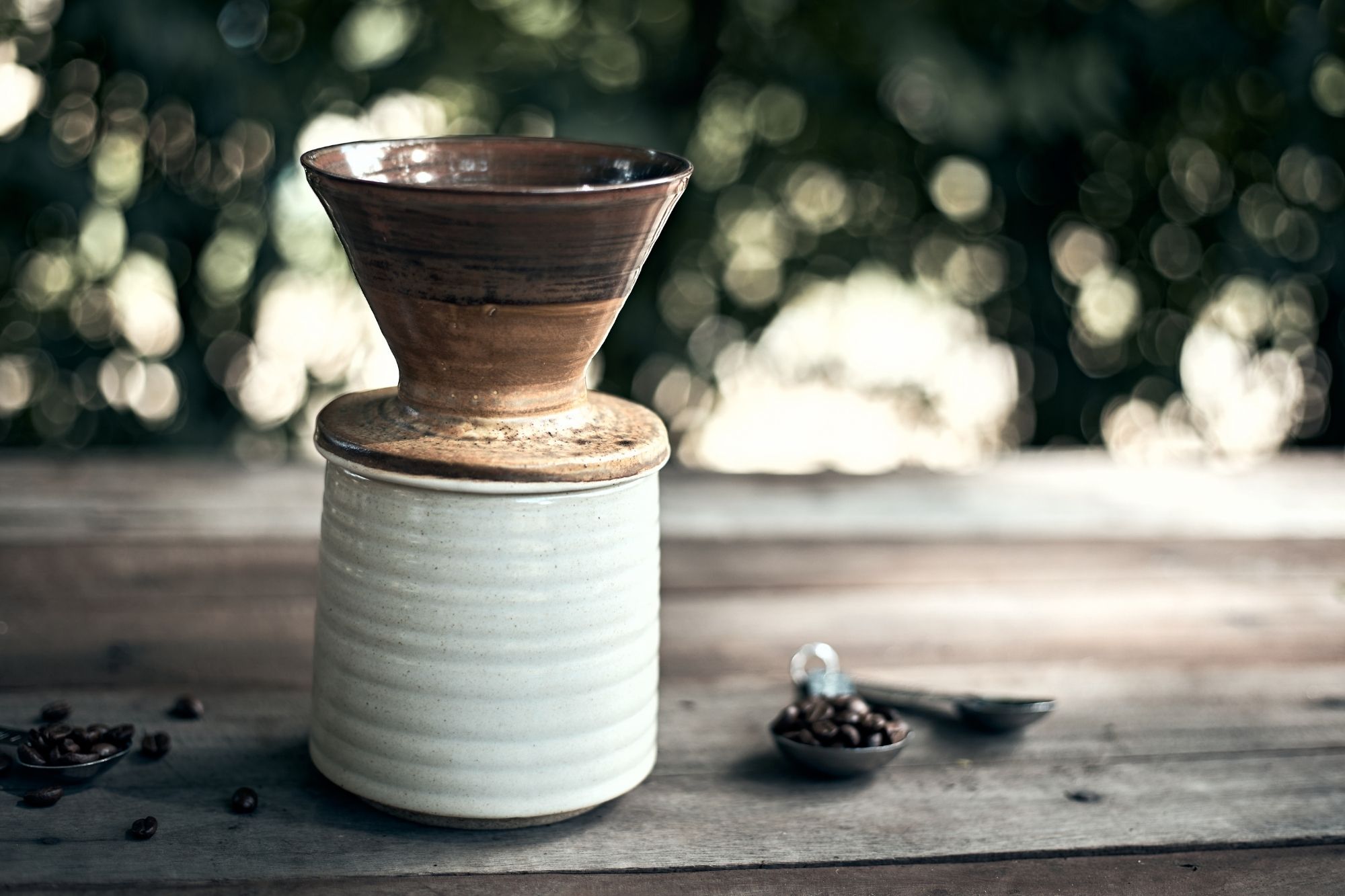
A ceramic Hario V60 holds heat like a champ thanks to its higher thermal mass. When the room feels chilly, ceramic steps up and keeps the brewing temperature steady from bloom to final drip.

This helps filter coffee shine with balanced, smooth extraction, especially if you prefer a slower pour technique and want those subtle tasting notes to show up without rushing the brew time.
There is a tiny warm-up ritual, though. It requires more hot water to preheat, and it won’t tolerate clumsy hands if it slips off the counter!
Ceramic is heavier, less travel-friendly, and usually costs more. Some versions lean toward porcelain, yet both share that solid, calm brewing vibe.
What to Expect From a Plastic Hario V60
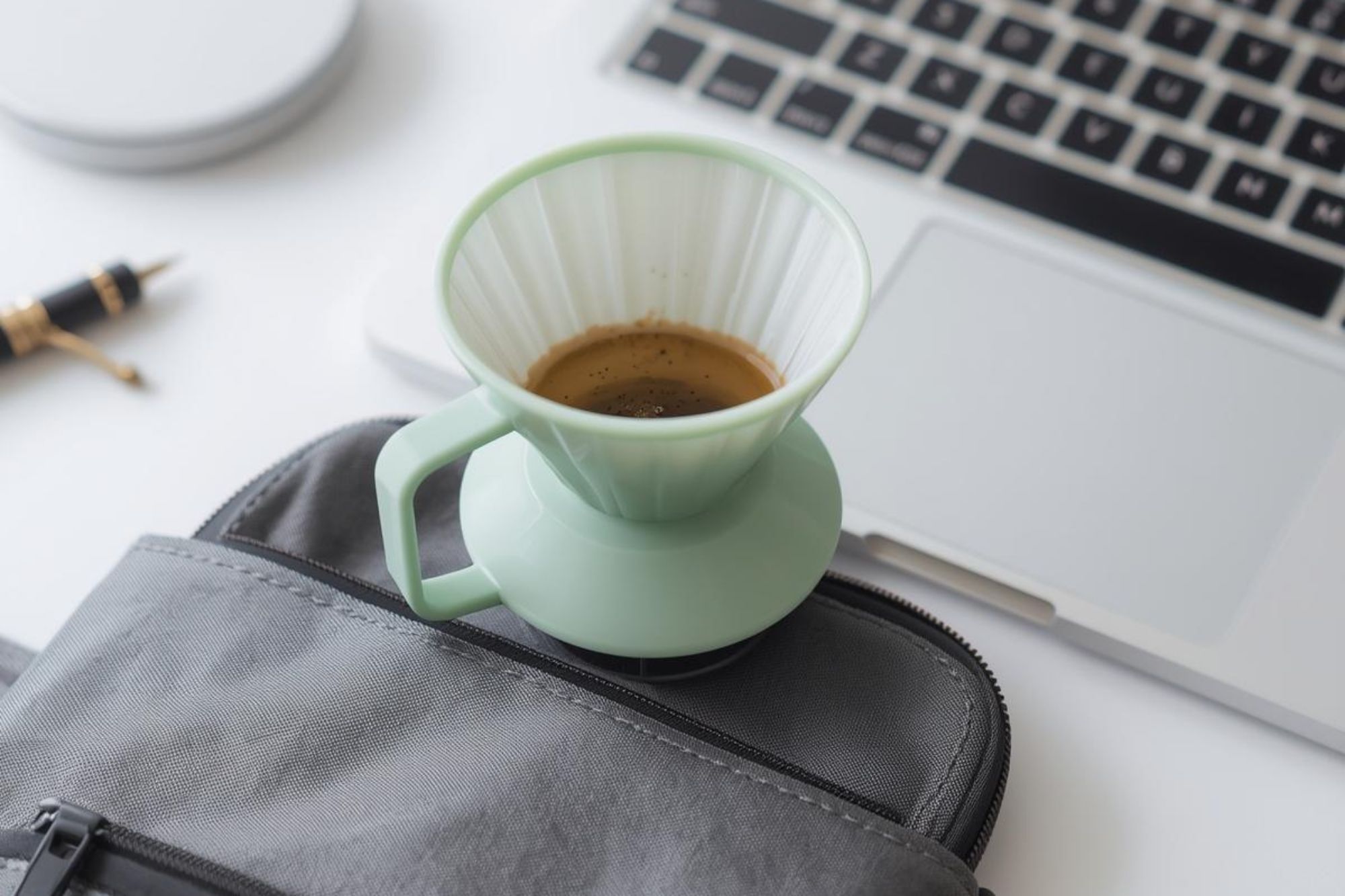
A plastic Hario V60 has its own charms, especially if you want coffee fast and without fuss. It heats up almost instantly, so you waste less hot water during preheating.

That alone makes busy mornings feel easier. It also works well when you take your brew skills to the office or pack a small pour-over setup for travel.
Here’s what stands out:
- Light and travel-friendly: Toss the plastic dripper in a bag and stop worrying about cracks.
- Budget-friendly choice: A lower price leaves more cash for fresh beans or a grinder upgrade.
- Durability: Drops are far less dramatic than with ceramic or glass.
- Faster heat loss: Slow brewing may raise acidity and shift the flavor profile, especially with lighter roasts.
- Great for short brew time: A medium-fine grind and steady pour keep extraction balanced when you need coffee right away.
Plastic fits anyone who wants filtered coffee with zero stress and a smooth brewing process, even before caffeine kicks in.
Taste Differences
Ceramic stays warm, giving the coffee time to extract gently. That often means a fuller body and softer acidity, especially if you enjoy a slow, relaxed pour.
Plastic cools faster, which adds a bit more sparkle to tasting notes and highlights acidity in a lively way.
Some mornings call for comforting balance, others call for brightness—both can taste great. And no matter the dripper, steady water temperature, a solid grinder, and good filter paper are still the real flavor heroes.
Brewing Process and Workflow
The brewing process changes slightly depending on the dripper you choose. Ceramic encourages a longer coffee bloom since the heat doesn’t disappear right away.
Plastic requires a quicker start because heat loss occurs more quickly. A steady brew time helps keep extraction consistent for both, so try a medium-fine grind and avoid long pauses in your pour.
A simple pour-over brewing setup works: a scale for accuracy, a gooseneck kettle for control, and a grinder that gives even grounds.

An espresso machine grinder can help you dial in the grind more precisely if you already own one.
Keep your filter warm by rinsing it briefly to reduce heat loss. This tiny step improves flavor and maintains the water temperature where it needs to be during brewing.
Which One Should You Choose Based on Your Habits?
Choosing between Hario V60 ceramic and plastic depends more on your habits than on any other factor. Here’s a quick way to decide without overthinking it:
- Plastic dripper: Lighter, lower cost, travel-friendly, great when brew time is short
- Ceramic dripper: Stronger heat retention, a premium feel, steady flavor for relaxed brewing
- Glass or metal dripper: Sit in the middle if you want durability or a clean look with a bit of heat support
Think about where you brew most, how patient you feel in the morning, and whether a matching glass decanter or stylish setup brings you more joy.
The Final Scoop
The debate over Hario V60 ceramic vs plastic has no single winner.
Both versions can brew filter coffee with great flavor when paired with a good grinder, steady water temperature, and the proper pour technique.
Ceramic rewards patience and heat retention. Plastic saves time, survives travel, and keeps things simple.
The biggest difference comes from how you like to brew, not which material sits on the counter.
Experiment with brew time, bloom, and grind until the cup tastes the way you enjoy it most. Coffee should feel satisfying, not stressful. If one dripper brings out more smiles in the morning, that’s the better choice for you!
