

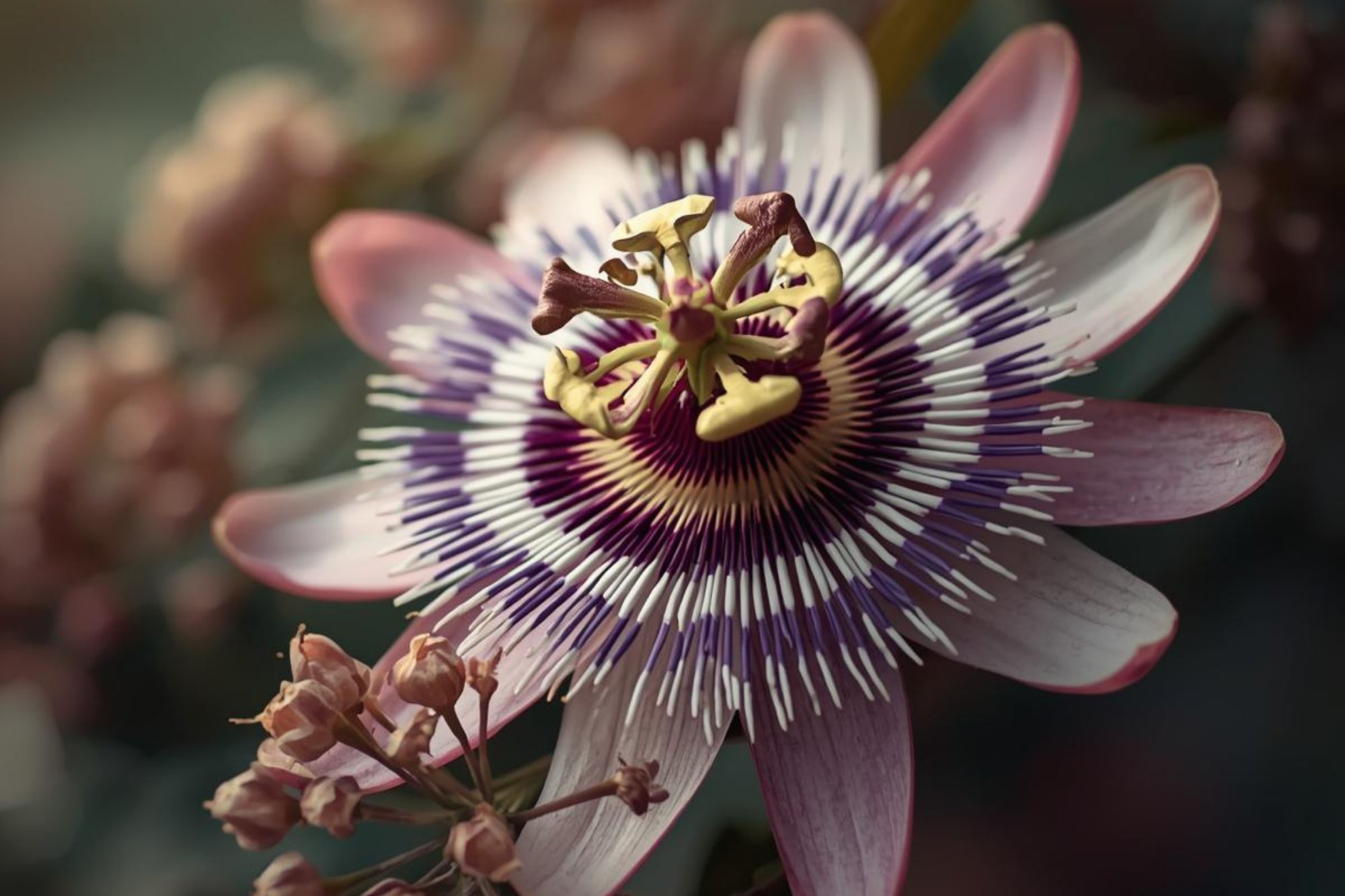
Passionflower Tea Recipe for Stress-Free Evenings
A warm cup of Passionflower tea feels like a quiet moment you save just for yourself. This herbal tea has a calming nature that you can enjoy before bedtime, especially when stress or a busy mind tries to follow you into the night
Passionflower works well with other soft herbs such as chamomile, lavender, and lemon balm, creating scents and flavors that suit slow evenings.
Some like the way it settles the mood. Others simply enjoy the gentle routine of steeping dried flowers in hot water.
If a cozy drink sounds appealing, each Passionflower tea recipe below is simple and soothing in its own way. Let’s get the kettle ready and make the first cup.

What Is Passionflower Tea?
Passionflower, also known as passion flower or passiflora, comes from a vine with delicate dried flowers often used in herbal tea.
You will find it in loose herbs, tea bags, or mixed into calming blends at most tea shops. When steeped in boiling water, it carries mild flavors that mix easily with chamomile, lavender, lemon balm, or peppermint leaf.
People have enjoyed passionflower for a long time in relaxing drinks. It’s often mentioned when someone wants a slower evening without muscle tension taking the lead.
People often drink passionflower tea for quiet nights and slower thoughts. It fits well into a bedtime routine and brings a comfortable mood to the evening.
Many consider it a nervine, meaning it may gently support the nervous system. Common reasons people reach for this herbal infusion:
- They want help settling stress before bed
- They deal with the occasional insomnia moment
- They enjoy neurotransmitters getting a little nudge toward calm
- They prefer herbs that feel steady and mild
What You Need to Make Passionflower Tea
Making a simple herbal infusion at home doesn’t take much. And a teaspoon or two of dried passionflower goes a long way.
The fun part is choosing which herbs to add for extra scent and flavor. Here’s the basic setup:
- Water
- Dried Passionflower
- Other dried herbs like chamomile, lavender, lemon balm, or peppermint leaf
- Honey or lemon for a soft finish
- A tea filter or strainer to clear out the dried flowers
- Optional hibiscus for richer scents and deeper flavors
- A mug sized for one or two servings
Once everything is set, it’s only a matter of moments before your mug starts filling the room with herbal tea aromas.
Basic Passionflower Tea Recipe
This simple herbal infusion keeps the focus on passionflower. The flavor stays light, the scent is soft, and the whole thing feels like a quieter chapter of the evening.
If insomnia tries to join you at bedtime, this cup can encourage calm without any big show.
Ingredients:
- 1 Teaspoon dried passionflower
- 1 cup fresh water
- Honey to taste
Steps:
- Heat the water until it reaches a strong simmer.
- Add the dried flowers to a mug or tea filter.
- Pour the hot water over the herbs and let them steep for 8–10 minutes.
- Strain out the dried flowers.
- Add a little honey if you like things cozy and smooth.

The texture stays clean, and the flavor lands somewhere between grassy and floral. Keep the mug near you while you get ready for bedtime, let the scents drift up with the steam, and take slow sips.
Passionflower tea offers a gentle shift toward sleep without forcing anything. It’s comfort in a cup, especially when stress tried to upend your evening.
More Passionflower Tea Recipes to Try
A single herb works well, but mixing flavors keeps bedtime interesting. Each variation keeps passionflower as the base and adds a friend that supports a calm evening mood.
Passionflower Tea With Chamomile
Chamomile has that “no worries” energy. Together with passionflower, the cup feels like a soft blanket for the brain. The taste is mellow, lightly floral, and familiar.
Ingredients:
- 1 Teaspoon dried passionflower
- 1 Teaspoon dried chamomile
- 1 cup fresh water
- A drizzle of Honey if you like gentle sweetness
Steps:
Boil the water and pour it slowly over the herbs. Cover the mug while it steeps for 8–10 minutes to keep the soft oils inside. Strain and sip as you get into your bedtime routine.
Slow breaths recommended. Rushing is canceled for the night.
Passionflower Tea With Lavender
Lavender is known for its aromatherapy moments. Adding it to passionflower creates a cup that feels ready to tell stress to calm down.
Ingredients:
- 1 Teaspoon passionflower
- ½ Teaspoon lavender
- Hot water
Steps:
Steep 6–8 minutes and strain. Take one deep inhale over the cup. Lavender steam doesn’t solve everything, but it makes the room feel more friendly. This blend is excellent when the mind refuses to clock out on time.
Passionflower Tea With Lemon Balm
This one tastes a little sunny without waking you up. People often drink lemon balm when insomnia tries to take over the night.
Ingredients:
- 1 Teaspoon passionflower
- 1 Teaspoon lemon balm
- Boiling water
Steps:
Steep 8–10 minutes. Strain. Settle into your favorite chair and let the calming citrus rolls move through the cup. This blend pairs well with quiet playlists and dim lights.
Passionflower Tea With Valerian
Valerian is the strong teammate here. If muscle tension acts stubborn, this combination may feel like a long exhale. The flavor is a bit earthy, so Honey earns a spot.
Ingredients:
- 1 Teaspoon passionflower
- ½ Teaspoon valerian
- Honey
- Fresh water turned into boiling water
Steps:
Steep for only 5–7 minutes and strain. Let each sip remind your shoulders that they don’t need to hover near your ears. It’s the unwind moment your night requires.
Passionflower Tea With Peppermint Leaf or Passion Fruit
Peppermint leaf keeps things refreshing. Passion fruit adds a tropical twist without turning nighttime into a beach party. Good when you want a calmer mood but still like fun flavors.
Ingredients
- 1 Teaspoon passionflower
- ½ Teaspoon peppermint leaf or a thin slice of passion fruit
- Hot water
Steps
Steep 6–8 minutes, strain, and take the first sip slowly. Peppermint steam clears the head just enough to notice how cozy the room feels.
Passion fruit brings a fruity burst that makes the cup feel playful.
Extra idea:
A tiny pinch of hibiscus gives deeper color and a tart side note. Great when the evening needs a little vibrance without waking you up.
Optional hibiscus can come to the party when you want a deeper color and a tangy edge—only a pinch, though, unless you want your cup to look ready for photos.
Storage and Shelf Life
Passionflower and the other herbs in your tea blends deserve a good home. When dried flowers sit out in the open, their scents and flavors fade faster than you’d like.
A bit of moisture can also sneak in and turn a peaceful tea night into a weird science experiment. The solution is simple: give your herbs a cool and cozy hiding spot.
Airtight tins or dark tea jars keep everything fresh and protected from sunlight. Strong kitchen smells like onions and spices should stay far away, since herbal tea loves to pick up every scent it meets.
A tiny sticker with the herb name and date helps you remember what’s what. Most loose herbs taste their best within 6–12 months, while tea bags may lose their vibe a little sooner.
Before brewing, take a quick sniff. If the aroma feels shy, it might be time for a refill. If you want to keep your passionflower stash at its most delicious, good tea storage sets do a lot of the quiet work. Your future cups will thank you.
Passionflower Vs Passion Fruit
These two ingredients pop up in the same conversations a lot, and it’s easy to assume they come from the same source.
They share a similar name, often appear in teas or wellness drinks, and both sound like they should lead to a relaxing evening. But they are entirely different plants with different personalities in your cup.
Passionflower:
- Also known as passiflora
- Often brewed as an herbal tea for sleep and stress support
- Brings a mild, floral taste that feels gentle in the cup
Passion fruit:
- A round tropical fruit with bold flavors
- Popular in juices, desserts, and sweet drinks
- Can join your tea for fun, fruity notes, but it has no real link to passionflower
One focuses on calm nights, the other tastes like a sunny splash of vacation. They simply share the word “passion,” which doesn’t help anyone trying to shop for tea!
If you enjoy a soothing drink that also feels a little playful, both ingredients can sit in the same mug.

The Final Scoop
A cup of passion flower tea feels like a small break you give yourself. It works well on slow nights when you want to ease into sleep with soft scents and steady comfort.
You now have a basic passion flower tea recipe and several blends to match different moods, from floral to fruity.
Mix herbs like chamomile, lemon balm, or peppermint leaf until you find the one that makes evenings feel peaceful.
Keep your dried flowers stored well, enjoy the quiet of the steep, and let this simple herbal tea routine bring calm whenever the day feels a bit loud.
