

The Best Kalita Wave Recipe For a Smooth Pour Over
There’s something special about a Kalita Wave. No drama. No wild swings. No “why does this taste amazing one day and like sadness the next?” kind of moments.
Just a clean, balanced cup of pour-over coffee that shows up and does its job beautifully.
If you’ve ever wrestled with a tricky pour-over method, the Kalita Wave might feel like a breath of fresh, caffeinated air.
So grab your favorite mug. Let’s dial in the best Kalita Wave recipe and make it taste like something you’d happily pay for at a specialty coffee bar.
Why the Kalita Wave Is Different
Before we brew, let’s take a quick moment of appreciation.
The Kalita Wave isn’t just another pour-over brewer. Its flat bottom design and signature filter shape (those wavy ridges on Kalita wave filters) create a more even extraction.
The result is less guesswork and more consistency.
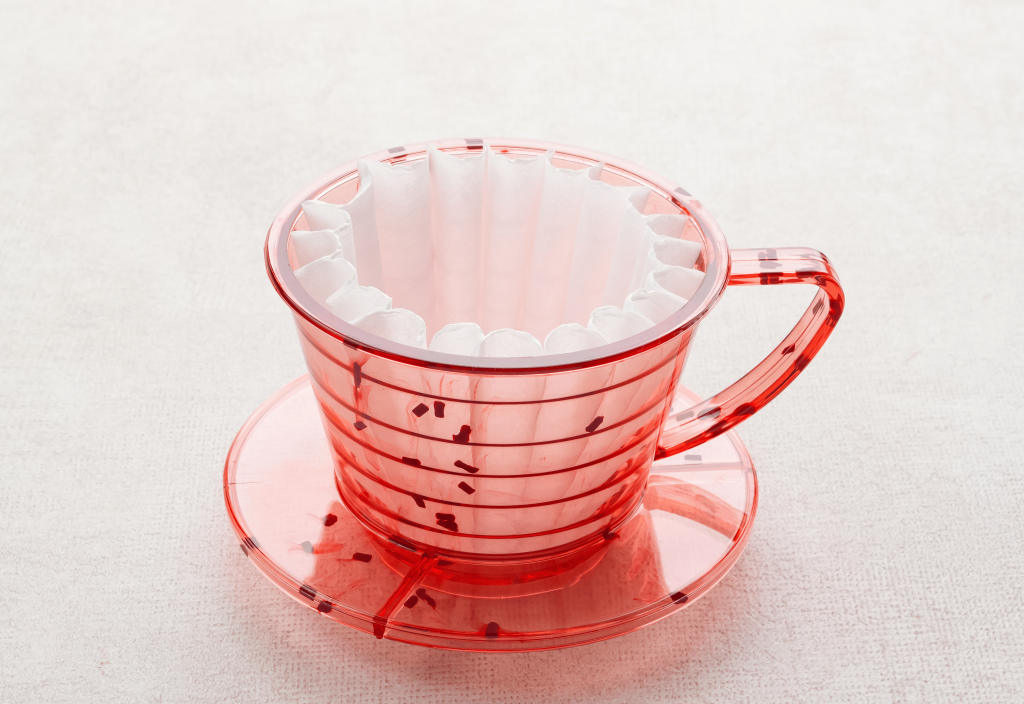
Unlike cone brewers like the Hario V60, the Kalita’s flat-bottom filter and three small filter holes help control water flow, keeping your brew bed nice and stable.
It’s the kind of setup that makes you look like you know what you’re doing.
What You’ll Need
You don’t need anything too fancy, just a few essentials for a proper pour-over brew.
- Kalita Wave dripper (Kalita 185 or Kalita Wave 155)
- Kalita wave filters (Yes, the ridged ones. Don’t substitute random paper filters!)
- Fresh coffee beans
- Burr grinder (like a Baratza Encore or Comandante C40)
- Gooseneck kettle (a Bonavita gooseneck kettle works great)
- Digital scale or kitchen scale
- Mug or brew vessel
- Hot water (ideally third-wave water or filtered)
The Golden Ratio (Coffee: Water Ratio)
Let’s keep this recipe simple and delicious.
When you’re using a Kalita Wave, the perfect coffee-to-water ratio is 15 grams of coffee to 250 grams of water. That’s your starting point for a single cup of coffee.
You can scale it up, but this ratio consistently produces a smooth, almost nectar-like cup when everything else is dialed in.
Grind Size Matters
Your grind setting is one of the biggest levers you have. Don’t ignore it.
Set your grinder to a medium-fine grind. This is somewhere between table salt and sugar.
If you make it too coarse, your coffee bed drains too quickly. On the other hand, if it’s too fine, and your brewing time drags. You’ll have bitter coffee.
If you’re using a Baratza Encore, aim for the middle range. With a Comandante C40, stay in that medium-fine zone.
Step-by-Step Kalita Wave Recipe
Let’s brew.
1. Prep Your Filter Paper
Place your Kalita Wave coffee filters into the dripper and rinse thoroughly with hot water. This removes any papery taste and preheats your brew vessel.
Dump the rinse water and start fresh.
2. Add Coffee
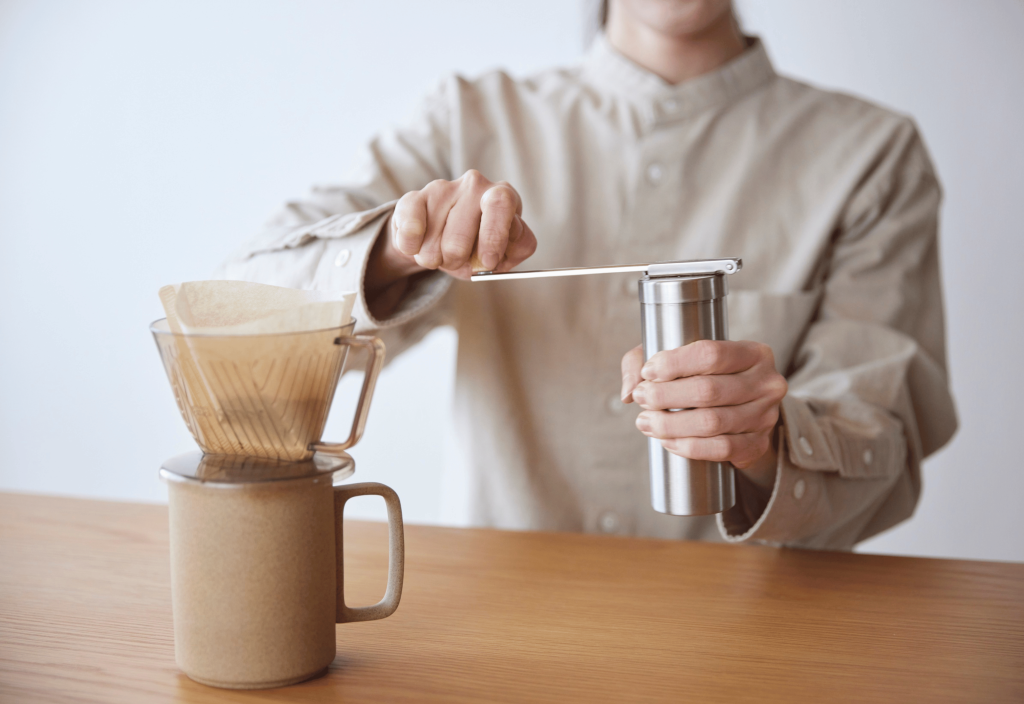
Weigh out 15 grams of whole-bean coffee using a kitchen scale or digital scale. Grind the whole-bean coffee fresh and add it to your dripper.
Give it a gentle shake to level the coffee bed. Remember, a flat bed means even extraction.
3. Bloom (Don’t Skip This)
Start your timer.
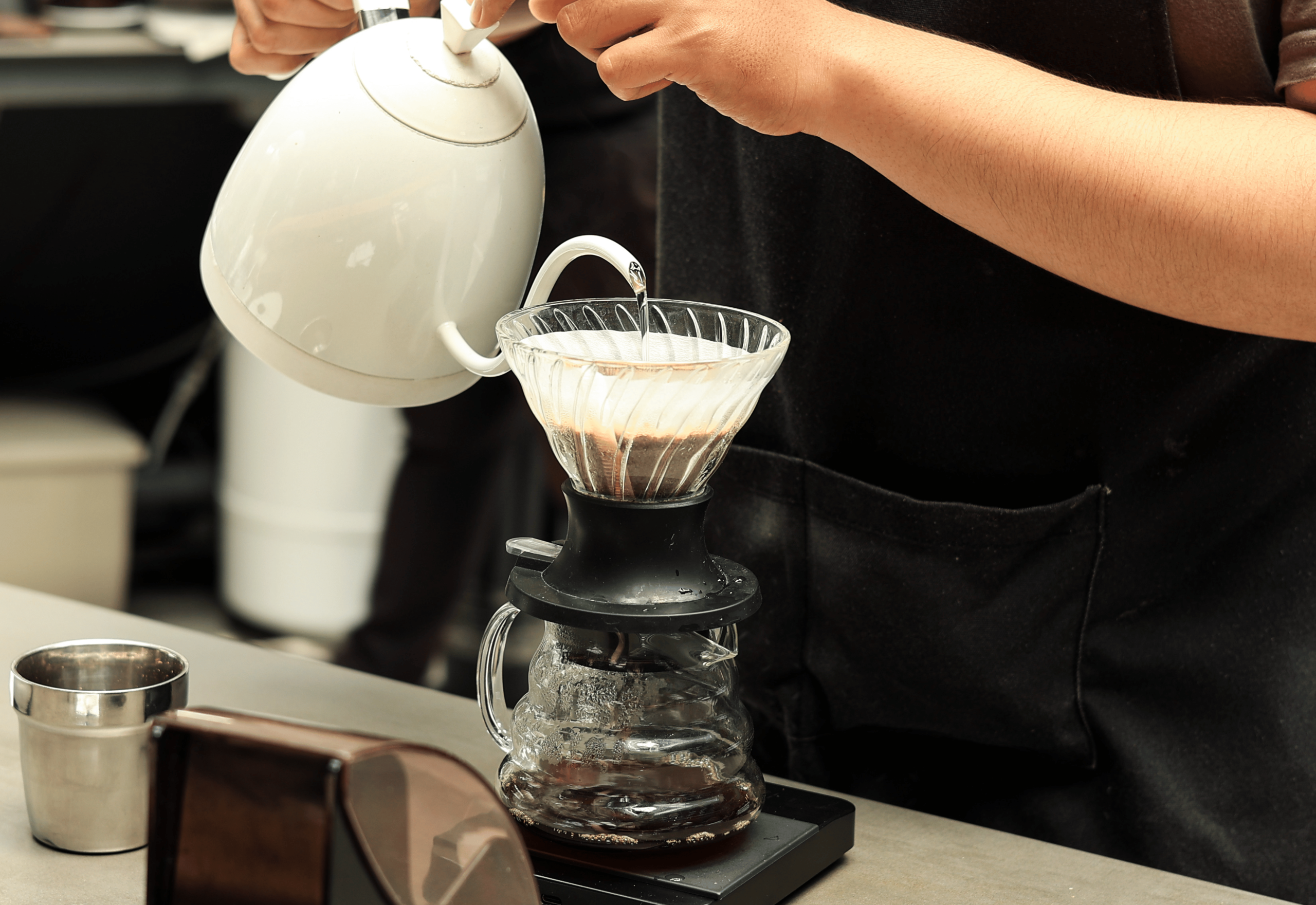
Pour about 30 to 40 grams of water for your bloom pour, making sure all the coffee grounds are saturated.
Use a spiral pour in concentric circles, starting from the center and moving outward. Let it sit for about 30 to 45 seconds.
This blooming process allows trapped gases to escape and sets up a better extraction. You can gently swirl the dripper if needed to make sure everything is evenly wet.
4. Try Pulse Brewing Magic
Now we move into the pulse brew method, one of the easiest ways to control your brew process.
Pour in stages instead of all at once. For instance, you can pour in 50g increments until you finish at 250g.
Keep your pours steady with a slow spiral pour, maintaining consistent water flow. Avoid pouring directly onto the filter walls and focus on the coffee bed.
5. Check the Total Brew Time
Your total brew time should land around 2 1/2 to 3 minutes. For me, dialing in the brew time is how you move from “pretty good” to “wait…this is amazing.”
Quick tip: If the total brew time is too fast, your grind is too coarse.
The Importance of Water Temperature
Water temperature is key to the perfect brew. Too hot, and you risk over-extraction. Too cool, and the cup can taste flat.
For best results, aim for a water temperature of around 207°F (97°C). If you don’t have a thermometer, a good tip is to bring your water kettle to a boil and let it sit for about 30 seconds.
The Small Tweaks That Make a Big Difference
These simple techniques can make a huge difference in your final brew.
- Adjust Your Coffee Dose: Want a stronger cup? Increase your coffee dose slightly. Just keep your coffee: water ratio consistent.
- Try Different Beans: The Kalita Wave shines with specialty coffee, especially lighter roasts.
- Play With Pour Style: Switch between a spiral motion, pulse pour method, or even fewer pours. Small changes in your pour-over method can reshape the entire cup.
Common Mistakes to Avoid
For the best coffee, avoid these pitfalls when using a Kalita Wave.
- Wrong Grind Size: This is the #1 issue. Fix your grind before anything else.
- Uneven Coffee Bed: A lopsided bed leads to uneven extraction.
- Pouring Too Aggressively: Keep it controlled. This isn’t a race.
- Ignoring Water Quality: Good third-wave water makes a noticeable difference.
- Skipping the Bloom: Always bloom your coffee. Always.
Kalita Wave vs Other Brewers
If you’ve used a Hario V60, a Melitta 102, or even a French press, you’ll notice the difference immediately.
The Kalita’s flat-bottom brewer design offers more consistency, especially for beginners. It’s why you’ll see it used everywhere, from your local coffee shop to high-level professional coffee-making competitions.
The Kalita Wave may not be flashy, but it delivers every single time.
The Final Scoop
The best Kalita Wave recipe isn’t about perfection. It’s about control, balance, and a little bit of rhythm.
A steady spiral motion, a dialed-in grind size, and the right coffee-to-water ratio all add up to a cup that feels intentional.
I think that’s the real magic of the Kalita Wave. You can make coffee without overthinking every second of it!
