

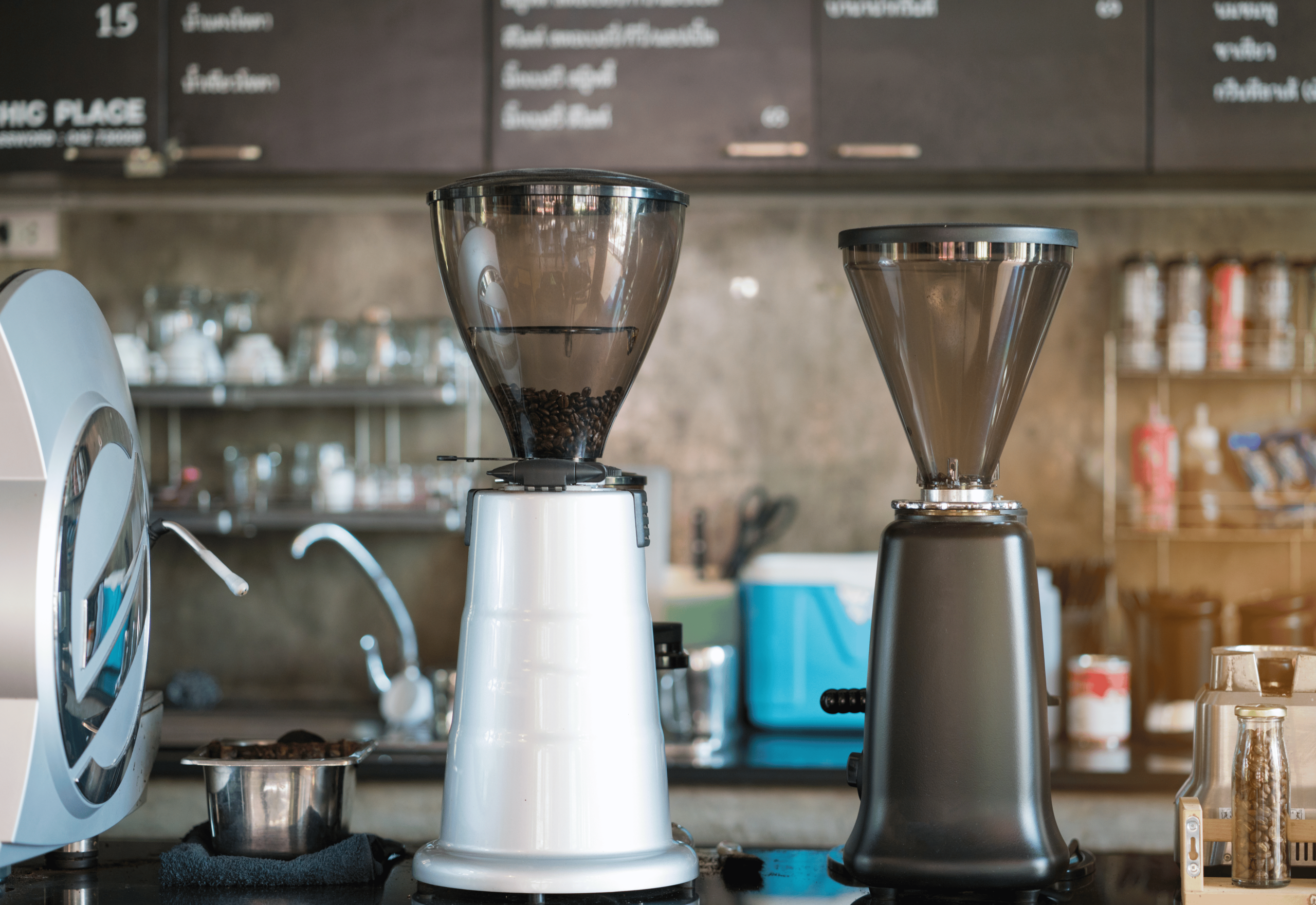
The Best Coffee Grinders for Chemex Brewing
Everyone tells you to grind fresh for pour-over, but nobody actually tells you which grinder pairs best with a Chemex and why.
The Chemex is picky. Its double-bonded paper filter is 20–30% thicker than standard filters, made from laboratory paper at the Chemex factory in Massachusetts.
That thickness slows water flow and punishes inconsistent grinds. Too fine, the filter chokes. Too coarse, your cup tastes hollow.
Finding the best coffee grinder for Chemex comes down to hitting one narrow sweet spot over and over again. Six grinders made the cut, and the differences between them matter more than you’d think.
The 6 Best Coffee Grinders for Chemex Options in 2026
Every grinder on this list was picked for one specific reason: it performs well in the medium-coarse range that the Chemex demands.
The list covers electric grinders and hand grinders across three budget tiers. Some are better for beginners, others for obsessive pour-over types, and a couple handle everything from Chemex to espresso without breaking a sweat.
- Baratza Encore Conical Burr Coffee Grinder (Best Overall)

- Specialty Coffee Association Award Winning Grinders – Baratza grinders are preferred by coffee professionals and backed by Baratza’s world class support.

The Baratza Encore is the coffee grinder that baristas recommend more than any other for home brewing. It runs on 40mm conical burrs manufactured in Liechtenstein, with 40 grind settings spanning 250 to 1,200 microns.
Landing in the Chemex sweet spot (around settings 18 to 20) takes almost no effort. The DC motor spins at 450 RPM, which keeps heat generation low and protects flavor compounds in your coffee beans.
If you also pull espresso shots, the Baratza Encore ESP Pro uses upgraded M2 burrs with micro-steps from 1 to 20 for espresso and macro-steps from 21 to 40 for filter brewing.
Pros
- 40 grind settings cover everything from espresso to French Press
- 8oz hopper with a front-mounted pulse button for easy single-dosing
- Replacement parts are widely available, even years after purchase
- Small footprint at 7 pounds
Cons
- No auto-shutoff
- Static build-up with darker roasts
- Louder than pricier grinders in this list
- Fellow Ode Gen 2 Brew Grinder (Best for Pour-Over Purists)

- BUILT FOR BREWED COFFEE – With 31 grind settings optimized for pour-over, drip coffee, French press, and cold brew, Ode Gen 2 lets you dial in your favorite brewing methods with precision. Designed specifically for brewed coffee. Not for espresso.
The Fellow Ode Gen 2 was built for one thing: brewed coffee. It won’t grind for espresso, and Fellow doesn’t pretend otherwise.
What it does instead is produce some of the cleanest, most consistent pour-over coffee you’ll get from a home grinder.
It uses 64mm flat stainless steel burrs with a two-stage grinding geometry that Fellow designed in-house.
The PID-controlled motor holds a steady 1,400 RPM regardless of bean resistance, which keeps particle size uniform across the full 31 grind settings.
The single-dose hopper holds 100g, and the magnetic catch cup snaps into place with zero fumbling.
For Chemex specifically, the flat burr design produces fewer fines than conical burrs, which means less clogging in that thick Chemex filter and a brighter, cleaner cup. If you also brew cold brew or French Press, the Ode handles both without switching grinders.
Pros
- Anti-static technology with a built-in knocker keeps retention under 0.5g
- Auto-shutoff stops grinding the moment beans run out
- One of the quietest electric grinders at around 65dB
- SSP MP Red Speed burr upgrade available for even more flavor clarity
Cons
- Premium price tag
- Stepped adjustment (not stepless)
- No espresso capability at all
- OXO Brew Conical Burr Coffee Grinder (Best Budget-Friendly Electric)
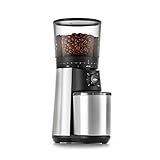
- 40mm stainless steel conical burrs: Precision grinding system produces uniform coffee grounds to ensure even extraction for rich, balanced flavor in every cup.
If you want a burr grinder that keeps things simple without cutting corners on grind quality, the OXO Brew Conical Burr coffee grinder is tough to beat at its price point.
It was named Wirecutter’s top pick in 2025, and the reason is straightforward: it does the basics really well.
The 40mm stainless steel conical burrs grind across 15 settings with additional micro-adjustments, covering a range of 195 to 1,100 microns.
The one-touch timer remembers your last grind size settings and duration, so your half-asleep morning routine stays consistent.
The UV-blocking hopper holds 12oz of coffee beans, and a trap door keeps them from spilling when you remove it.
For anyone short on counter space, the OXO Compact Conical Burr grinder is worth a look. It offers 15 settings with 29 micro-adjustments in a smaller body that holds 50g of beans, with a chuteless design that makes cleanup faster.
Pros
- One-touch operation with memory for your last setting
- DC motor keeps beans cool during grinding
- Compact enough to fit under most kitchen cabinets
- Wirecutter’s top pick for 2025
Cons
- Noisier than pricier grinders on this list
- Static can cause fine grinds to clump in the container
- The grounds container can shift slightly during grinding
- Baratza Vario+ (Best for Switching Between Brew Methods)
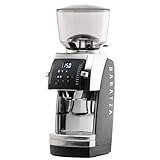
- BURRS: At the heart of the Vario+ are durable 54mm ceramic flat burrs from commercial burr manufacturer, Ditting. The burrs are encased in an upgraded metal grind chamber to improve consistency, from cup to cup.
Most grinders do one thing well. The Baratza Vario+ does several things well, which is rare. It’s built around 54mm flat ceramic burrs manufactured by Ditting, a commercial burr maker whose hardware shows up in café-grade equipment.
The metal grind chamber (borrowed from Baratza’s Forte line) keeps those burrs aligned over years of use.
The dual-cam adjustment system offers 220 grind settings via 10 macro and 22 micro steps, covering 230 to 1,150 microns.
You can go from a fine espresso grind in the morning to a medium-coarse Chemex grind in the afternoon without swapping anything.
The digital timer saves three presets down to 0.1 seconds, so switching between brew methods takes seconds. It grinds at 1.6 to 2.2 grams per second, and the high-torque DC motor runs at 1,350 RPM while staying cool and quiet.
Pro,s
- 220 grind settings from espresso to French Press
- Ceramic burrs stay sharp roughly twice as long as steel burrs
- Three programmable dose presets for fast workflow
- Metal grind chamber for long-term burr alignment
Cons
- Factory-calibrated for espresso, so filter settings need some dialing in
- The front panel looks busier than simpler grinders
- Portafilter holder signals it leans espresso-first
- Bodum Bistro Burr Coffee Grinder (Best for Tight Budgets)

- COFFEE GRINDER: BISTRO Burr coffee grinders crush whole coffee beans between stainless steel conical burrs to preserve bean’s flavor and aroma while maintaining a consistent grind
The Bodum Bistro won’t wow you with specs, but it has one trick that grinders twice its price still can’t match: a borosilicate glass grounds catcher that practically eliminates static electricity.
If you’ve ever watched coffee grounds cling to a plastic container like they’re magnetically charged, you’ll appreciate how clean this thing keeps your counter.
It uses 35mm stainless steel conical burrs with 12 grind settings and a 160W motor spinning at 720 RPM. The 7.75oz hopper holds enough beans for a few sessions, and the preset timer lets you set your grind duration between 5 and 20 seconds.
The trade-off is precision. With only 12 settings, you’re working with bigger jumps between each step.
Finding that exact Chemex sweet spot takes more trial and error than it would on a grinder with 40+ settings. Reviewers also note the Bistro produces more fines at medium-coarse than pricier models, which can slow your Chemex brew time.
Pros
- Borosilicate glass catcher keeps grounds static-free
- Compact at just 12.5 inches tall
- Friction clutch protects gears from stray stones in your beans
- Dishwasher-safe glass catcher and lid
Cons
- Only 12 grind settings limits fine-tuning
- Plastic internal gears can wear over time
- One of the louder grinders in this list
- Timemore Chestnut C5 Pro (Best Manual Grinder for Daily Use)
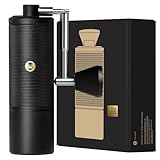
- [ What is C5 Pro Coffee Grinder? ] Equipped with patented S2C-042-III stainless steel burrs with higher precision and efficiency. Hand coffee grinder provides more precise grinding adjustment, minor adjustment of 0.031mm per click allows you to easily achieve the perfect coarseness for your preferred fine to coarse. From French press to espresso coffee, TIMEMORE has you covered
If you want electric-grinder consistency without plugging anything in, the Timemore Chestnut C5 Pro punches way above its weight.
It runs on upgraded 42mm S2C stainless steel burrs (spike-to-cut design) with 48 clicks per rotation. Each click adjusts the burr gap by just 0.031mm, which gives you serious control over your grind size.
The full aluminum alloy unibody and dual-bearing central axis keep everything stable mid-grind, so there’s no wobble affecting particle size.
The foldable handle makes it easy to pack for travel, and the 30g bean capacity is enough for a single Chemex dose.
Because you’re grinding by hand at low speed, there’s zero heat generation, which keeps your coffee beans’ flavor compounds intact.
Expect about 60 to 90 seconds of grinding for a typical Chemex dose. If you brew larger batches, you’ll need to grind in two rounds.
Pros
- 48 clicks per rotation for precise grind adjustment
- No electricity, no heat, no static
- Lightweight at around 663g with a compact build
- 5% better grind consistency than the previous C3S Pro
Cons
- Manual effort required (not ideal if you’re in a rush)
- 30g capacity means double-grinding for bigger brews
- Internal adjustment takes a minute to learn
What to Look for in a Chemex Grinder
Not every burr grinder performs equally in the medium-coarse range. The Chemex’s thick filter punishes inconsistency harder than most brewers, so a few features matter more than others when you’re shopping.
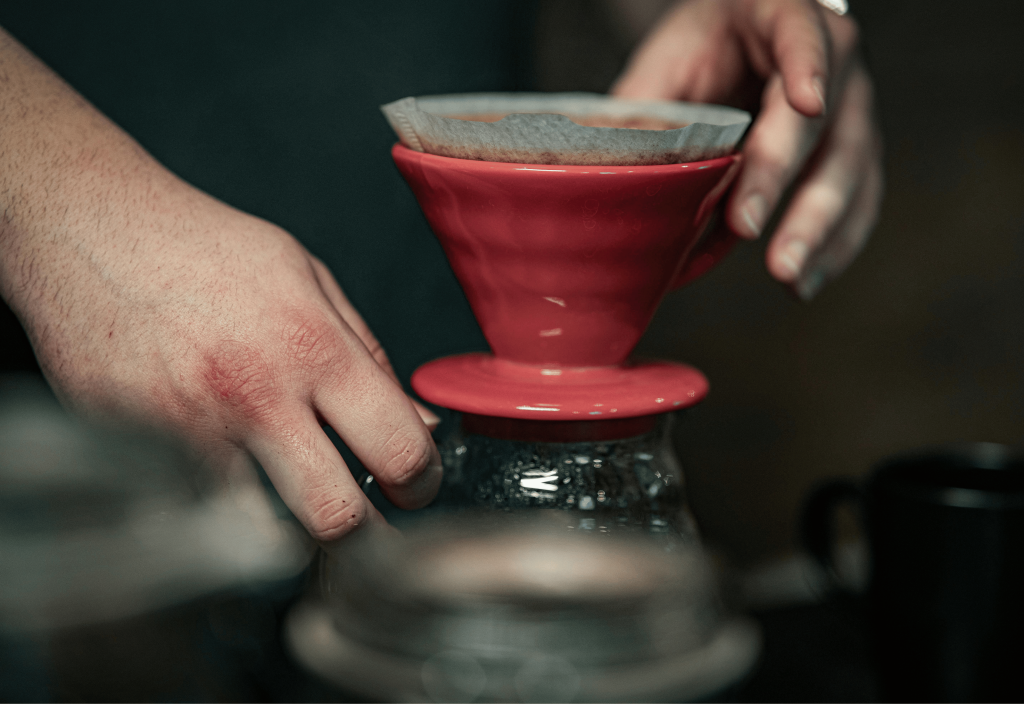
- Burr type: Conical burr grinders are the most common at entry-level and work well for Chemex. Flat burr grinders tend to produce more uniform particle size, which translates to a cleaner, brighter cup. Ceramic burrs run cooler and stay sharp longer than steel burrs, but stainless steel burrs are more affordable and still get the job done.
- Enough grind settings in the medium-coarse zone: A grinder with only 10 to 12 settings might not have a sweet spot for Chemex. You want at least 15 settings, or better yet, a stepless dial that lets you land exactly where you need to.
- Low heat generation: Fast-spinning burrs create friction, which generates heat. Heat degrades flavor compounds in your coffee beans before water even touches them. Lower RPM motors (like the Baratza Encore at 450 RPM) or hand grinders avoid this problem entirely.
- Static control: Coffee grounds that cling to the grind chamber or hopper waste coffee and create a mess. Borosilicate glass catchers and anti-static technology make a real difference in daily use.
- Grind retention. Some grinders trap old grounds inside the chute between sessions. Those stale leftovers mix into your next fresh dose, muddying the flavor. Grinders with low retention (under 0.5g) or built-in knockers keep each brew clean.
Why the Chemex Needs a Specific Grind
The Chemex filter is 20 to 30% thicker than a standard pour-over filter. It’s made from bonded paper originally designed for laboratory use, and it removes nearly all coffee oils, sediment, and fine particles that thinner filters let through.
That’s what gives the Chemex its famously clean, bright cup!
But that thickness comes with a catch. Water moves through a Chemex filter significantly slower than through a Hario V60 or Kalita Wave filter.
If your grind is too fine, the filter chokes. The brew stalls, contact time stretches way past the target, and you end up with a bitter, over-extracted cup.
If your grind is too coarse, water rushes through before it can pull enough flavor compounds from the coffee grounds. The result is sour, thin, and forgettable.
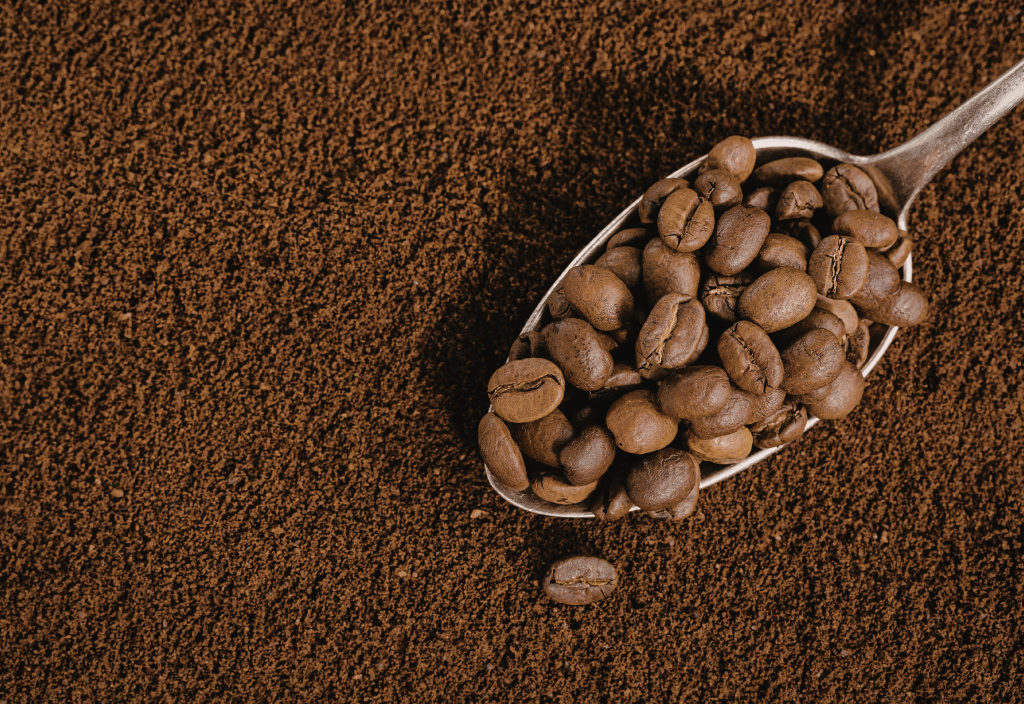
The sweet spot is a medium-coarse grind, roughly 600 to 800 microns, similar to the texture of coarse sea salt. At that size, water flows at the right pace for a total brew time of about 3.5 to 4.5 minutes.
This is exactly why blade grinders are a poor match for the Chemex. They chop beans unevenly, creating a chaotic mix of fines and large chunks.
The fines clog the thick filter while the big pieces under-extract. A burr grinder (conical or flat) produces consistent particle size across the dose, which keeps extraction even and your brew time predictable.
The Final Scoop
Your Chemex is only as good as the grinder feeding it. And now you know exactly which ones are worth your money.
Tight budget? The Bodum Bistro or OXO Brew will get you there. Want a hands-on ritual? The Timemore C5 Pro grinds beautifully without electricity.
For the safest all-around pick, the Baratza Encore has earned its reputation for a reason. Pour-over obsessives will love what the Fellow Ode Gen 2 does to cup clarity. And if you need one grinder for Chemex and espresso, the Baratza Vario+ is your answer.
The best coffee grinder for Chemex won’t fix stale beans or a heavy-handed pour. But it will make sure your grind isn’t the weak link. Pick one, dial it in, and taste the difference tomorrow morning.
