

Simple Ginger Cinnamon Tea Recipe: A Soothing Homemade Brew
There’s something almost magical about a cup of ginger cinnamon tea. It’s warm, comforting, and just spicy enough to wake up your senses without overwhelming you.
Whether you’re starting your morning, winding down at night, or looking for a natural way to feel a little better, this simple homemade brew checks all the boxes.
The best part? You don’t need fancy equipment or hard-to-find ingredients. With just fresh ginger, a cinnamon stick, and water, you can create a caffeine-free tea that feels like a ritual—not just a drink.
If you’ve been relying on store-bought tea bags, this recipe might just change your routine for good.
Why This Tea Deserves a Spot in Your Kitchen
Ginger cinnamon tea is a type of herbal infusion (also known as a tisane). That means it doesn’t actually contain tea leaves, so it’s naturally caffeine-free.
Instead, it’s made by simmering fresh ginger root and cinnamon in water, extracting their flavors, aromas, and beneficial compounds. The result is a bold, slightly spicy, and naturally warming drink with subtle sweetness from the cinnamon.
People love drinking it:
- In the morning, as a gentle wake-up
- After meals to support digestion
- During colder months for warmth
- When they’re feeling under the weather
It’s simple, but surprisingly versatile.
Choosing Your Ingredients
Great tea starts with great ingredients.
Fresh Root Ginger vs. Ground Ginger
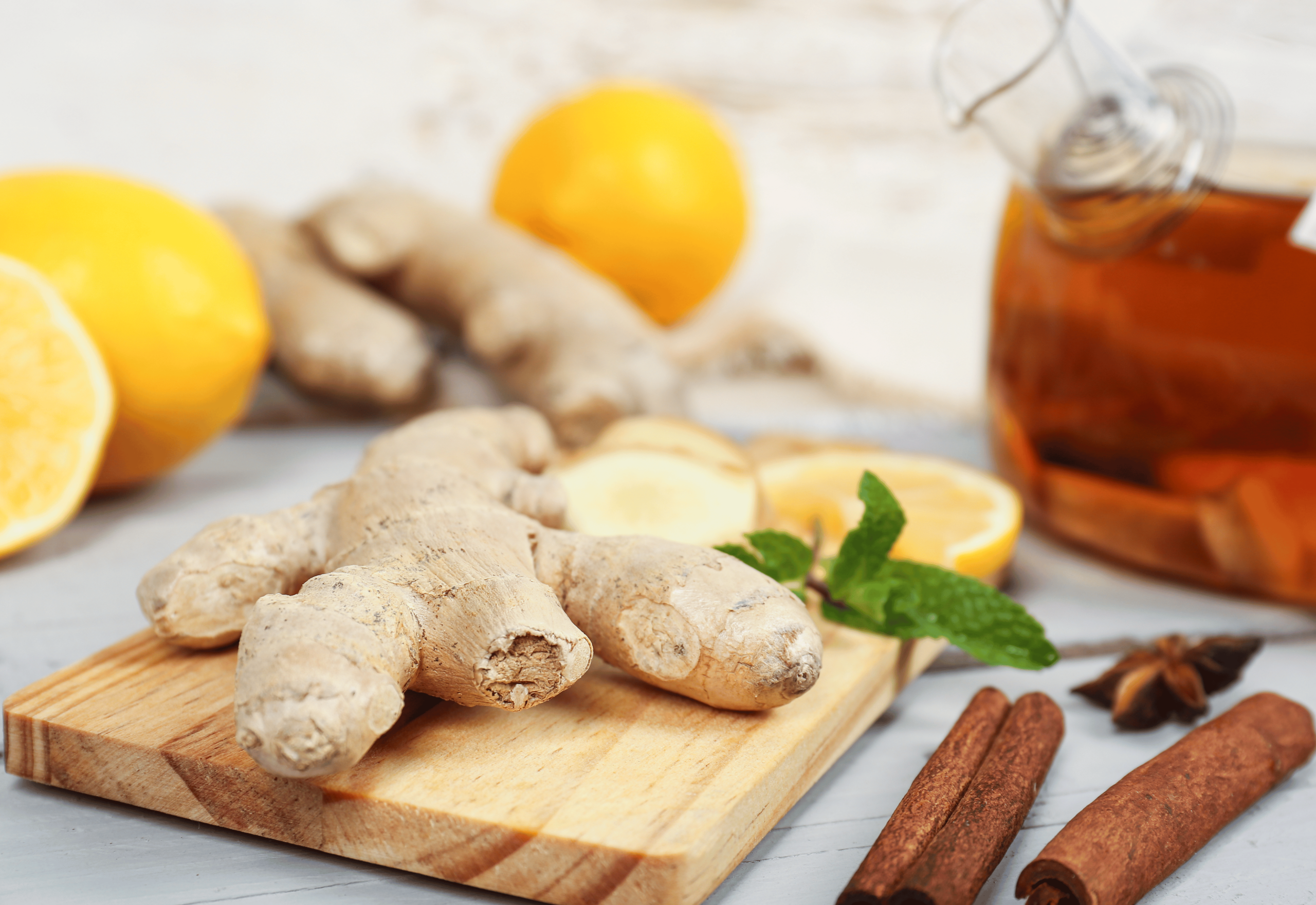
Fresh ginger root provides a bright, zesty heat with citrusy notes. The active compound gingerol delivers that signature “burn” and supports digestion.
Ground ginger works in a pinch but loses potency and brightness. Look for firm, plump roots with smooth skin. Store them in the fridge or freeze slices for longer use.
The Cinnamon Debate: Ceylon vs. Cassia vs. Saigon Cinnamon
Not all cinnamon is equal. Cassia offers bold, sweet flavor but contains higher levels of coumarin, which can stress the body if ingested in large amounts.
Ceylon cinnamon, or “true” cinnamon, is milder, more complex, and safer for regular enjoyment. Saigon cinnamon sits in between with intense sweetness. For daily drinking, opt for Ceylon sticks or powder.
Freshness Matters
Quality cinnamon sticks should be fragrant and brittle but not crumbly. Break one open—the aroma should hit you immediately. Buy whole sticks and grind as needed for best results. You can find excellent organic Ceylon options that elevate this brew.
Health Benefits Worth Knowing About
We’re not here to make any wild claims, but ginger and cinnamon have a long, well-documented history as more than just flavoring agents.
- For your digestion: A cup of this tea after a big meal is genuinely useful. Ginger has been shown to ease bloating and settle post-meal discomfort, while cinnamon helps calm the gut. Think of it as a polite, aromatic signal to your digestive system that it’s time to get to work.
- For cold and flu season: Both ginger and cinnamon have antimicrobial and warming properties. Sipping a hot mug when you’re feeling run-down is a legitimate act of self-care — not just comfort.
- Anti-inflammatory support: Gingerols (the active compounds in ginger) and cinnamaldehyde (cinnamon’s key player) both have anti-inflammatory effects that researchers have studied for everything from joint discomfort to blood sugar management.
- For nausea: Ginger tea has solid clinical backing as a natural remedy for nausea, including morning sickness. If you’re pregnant, though, check with your doctor before going heavy on the ginger.
What You’ll Need
Nothing complicated. Here’s your short equipment list:
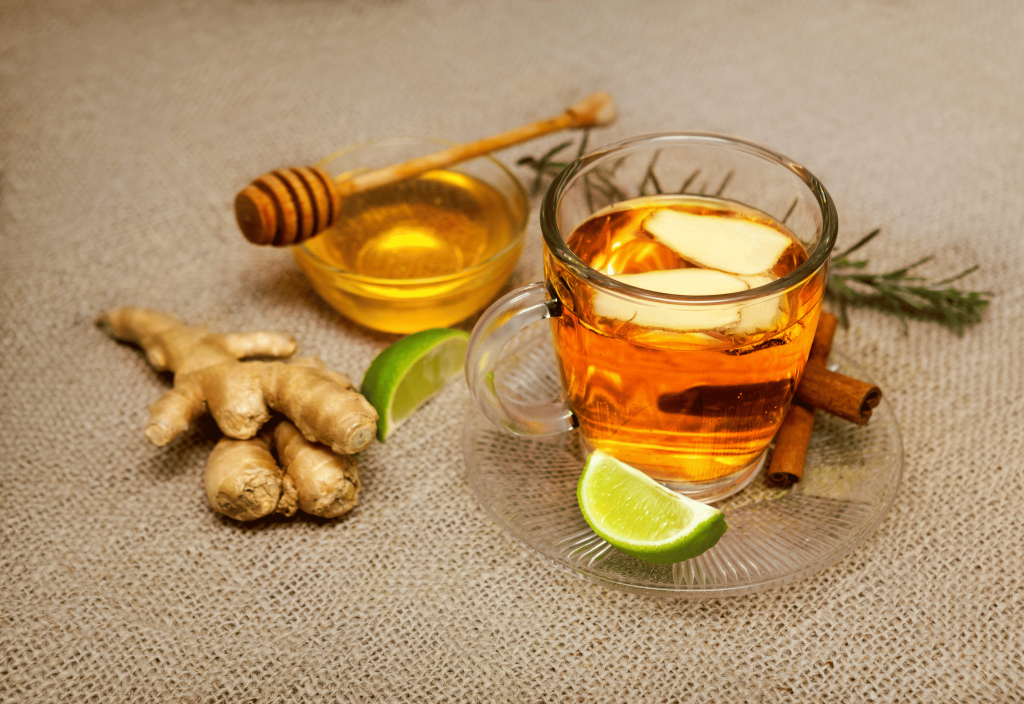
- A sharp knife or microplane grater — for the ginger. A microplane gives you finely grated root that releases maximum flavor; slices work perfectly well, too, and are easier to strain out.
- A small saucepan or kettle — for simmering.
- A fine mesh strainer — non-negotiable. You don’t want ginger fibers floating around your mug.
- Your favorite mug — obviously.
The Master Recipe
Makes 2 cups | Prep: 5 minutes | Steep/simmer: 10 minutes
Ingredients
- 2 cups (480ml) filtered water
- 1-inch (2.5cm) piece of fresh ginger root, peeled and thinly sliced (or grated)
- 1 cinnamon stick (Cassia or Ceylon)
- 1–2 teaspoons honey, to taste
- A squeeze of fresh lemon juice (optional, but recommended)
Instructions
- Prep your ginger. Peel a thumb-sized piece of fresh ginger using the edge of a spoon (it’s the easiest way, trust the process). Slice it into thin coins or grate it finely with a microplane.
- Add water, ginger, and cinnamon to a small saucepan. Bring everything to a gentle boil over medium heat, then reduce to a low simmer. This is not a hard, rolling boil situation — you’re coaxing flavor out, not demanding it.
- Simmer for 10 minutes. This is where the magic happens. Your kitchen will smell incredible. If you want a stronger, more intense brew — more of that “gingery burn” — go up to 15 minutes. For something milder and more floral, 8 minutes is plenty.
- Strain into your mug. Pour through a fine mesh strainer to catch the ginger pieces and any cinnamon fragments. No one wants a mouthful of bark.
- Sweeten and brighten. Stir in honey while the tea is still hot (it dissolves much better this way). Add a squeeze of lemon juice if you’re using it. Taste and adjust.
- Sip slowly. Seriously, this one is not optional.
Sweeteners & Flavor Add-Ons
The base recipe is wonderful on its own, but here’s where you can make it yours:
- Honey is the classic pairing — it softens the heat of the ginger and adds a gentle floral note. Raw honey is best.
- Jaggery or coconut sugar gives a deeper, more caramel-like sweetness that plays beautifully with cinnamon.
- Brown sugar works perfectly fine if that’s what you’ve got.
- Lemon juice and lemon peel brighten the whole brew and add a citrusy edge that makes it feel more complex.
- A pinch of black pepper might sound odd, but it amplifies the ginger’s warmth in a subtle, interesting way.
- Rock sugar is the traditional choice in many Asian preparations — it’s milder and feels clean on the palate.
Variations & Cultural Twists
Ginger and cinnamon together aren’t exactly a new discovery. Cultures around the world have been steeping these two long before wellness influencers made it a trend.
Sujeonggwa is a traditional Korean cinnamon-ginger punch — brewed stronger, chilled, and often garnished with pine nuts and dried persimmon. It’s punchy, spiced, and absolutely worth trying if you want to take this recipe in a completely different direction.
In Western herbalism, ginger-cinnamon tisanes have been used for centuries as warming tonics, particularly for circulatory support and digestive health.
The teahouses of Seoul’s Insadong district have their own refined versions too — served in earthenware cups with a quiet ritual around every step.
The point is: you’re making something with roots (pun intended) that go way deeper than this recipe. That’s kind of nice to think about while you sip.
Batch Brewing & Storage Tips
If you find yourself making this every single day (and you will), batch brewing is your friend.
- Make a concentrate: Use double the ginger and cinnamon with the same amount of water, simmer for 20 minutes, then strain and store in a mason jar in the fridge for up to 5 days. When you want a cup, just add hot water — about 1 part concentrate to 2 parts water.
- Store fresh ginger wrapped in a paper towel inside a zip-lock bag in the fridge (up to 3 weeks), or freeze the whole root and grate it straight from frozen — works brilliantly.
- Cinnamon sticks keep almost indefinitely in an airtight container away from light and heat. Smell them before use; if there’s no aroma, they’ve lost their potency.
- To reheat: Warm it gently on the stovetop over low heat. The microwave works in a pinch, but the stovetop keeps the flavor cleaner.
Troubleshooting
Your tea tastes bitter: You probably simmered too hard or too long, or your ginger was very old and fibrous. Dial back the heat and keep it at a gentle simmer. Also, make sure you’re straining well — stray bits of ginger fiber can turn things sharp.
Too spicy, not enough cinnamon: Add an extra half cinnamon stick next time, or reduce your ginger slightly. The balance is personal — some people love that gingery burn, others prefer it more softly spiced.
Too much sediment in your mug: Your strainer probably has large holes. Either double-strain or line your strainer with a coffee filter. Problem solved.
Final Thoughts: Turn It Into a Daily Ritual
Ginger cinnamon tea isn’t complicated—and that’s exactly why it works so well. It’s one of those recipes you come back to again and again because it fits easily into your life.
It’s quick. It’s affordable. And somehow, it always feels a little special.
Once you start making it at home, you might find it becomes less of a recipe and more of a healthy habit—the kind you actually look forward to.
Now go put the kettle on. You’ve earned it.
Enjoyed this recipe? You might also like the Best Japanese Green Tea Brands for Every Taste and Budget, or our comparison of Cast Iron Vs. Ceramic Teapot: Which is Better for Brewing?.
