


Why Colombian Cheese Coffee is a Must-Try Experience
Colombia definitely has a way of surprising you at the breakfast table. Alongside warm arepas, fresh bread, and pastries sits a steaming cup that most famously blends hot chocolate with cubes of melting cheese.
In Colombia, this ritual is known as Queso en el café when mentioned with coffee, but the national tradition is firmly tied to hot chocolate.
The cheese softens, the drink stays rich, and the pairing turns an everyday sip into something both familiar and unexpected.
Colombian natives grow up with it, but visitors often do a double-take. And once tasted, it’s hard to forget. If you’re curious how Colombian cheese coffee became a national favorite, keep reading.
From Cacao to Coffee in Colombian Traditions
In the Pre-Columbian era, indigenous groups across the Americas prepared drinks from cacao beans. This tradition was particularly prominent among the Aztecs, who mixed it with spices like cinnamon and cloves.
When the Spanish arrived in Latin America, this tradition crossed the ocean, sparking the craze for chocolate in Europe. Over time, Colombia gave the drink its own spin.
Instead of refined sugar, locals used panela, a solid block of unprocessed cane sweetener. Instead of metal whisks, they frothed it with a molinillo, stirring in tall clay pots like the chocolatera or rustic olleta.
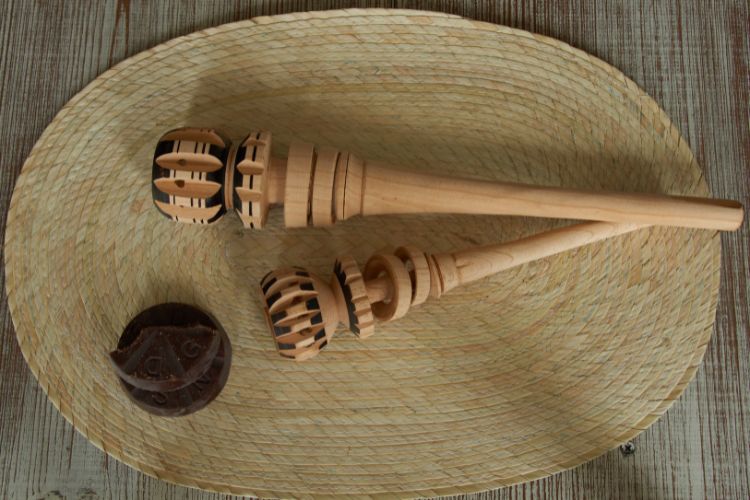
The result was a drink that felt both rustic and comforting. Pairing it with bread, soft arepas, or even melting cheese pearls turned a simple mug into a full breakfast.
Queso en El Café and the Pleasure of Cheese in a Cup
Few drinks surprise first-time visitors more than a Colombian mug of hot chocolate, served with cheese cubes that sink slowly to the bottom.
While some rural areas drop cheese into coffee, the widespread custom is with hot chocolate. Locals scoop out softened cubes with a spoon, then sip the drink, enjoying the salty-sweet contrast.
In Colombian kitchens, cheeses like quesillo, crema doble, and even familiar mozzarella are common choices. Each one reacts a little differently: quesillo stretches, crema doble melts luxuriously, and mozzarella cheese gives a mild, comforting flavor.
What makes the experience so memorable is the rhythm of alternating between sipping and fishing out soft, warm cheese. It’s playful, satisfying, and far more balanced than it sounds.
Chocolate Santafereño and Breakfast Rituals
One of Colombia’s most beloved morning drinks is chocolate santafereño, a thick hot chocolate made with panela, cinnamon, and cubes of melting cheese.
It’s not just a drink—it’s a full breakfast centerpiece. While the cheese warms below, the molinillo keeps the chocolate lively and full of froth.
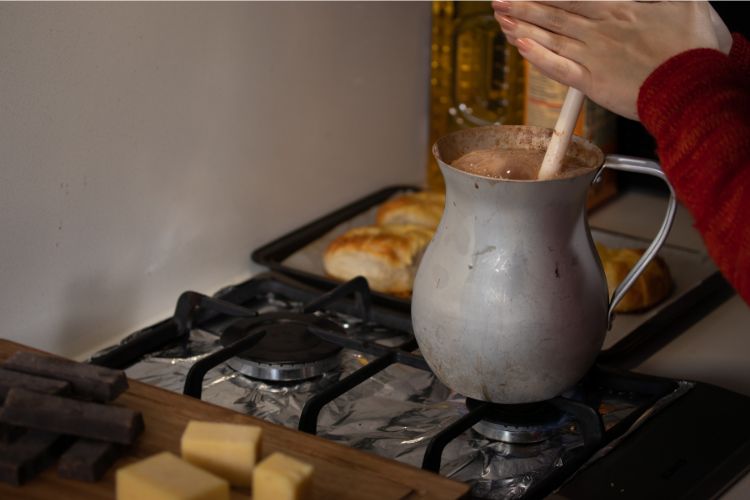
This pairing almost always comes with baked goods fresh from local ovens:
- Almojábanas, soft rolls made with cheese and corn flour
- Pan de yuca, chewy bites with a subtle tang
- Arepas, versatile corn cakes often buttered or filled with more cheese
Well-known brands like Luker and Corona have transformed this tradition into a product that can be found in shops and cafes across the country.
Cheese Choices That Work Best in Hot Drinks
Not every cheese is meant for a steaming mug. The right ones soften slowly, hold their shape, and balance sweetness with just the right touch of salt.
Colombia has its staples, but global kitchens offer surprising stand-ins that work beautifully, too.
Traditional Melting Cheese in Colombia
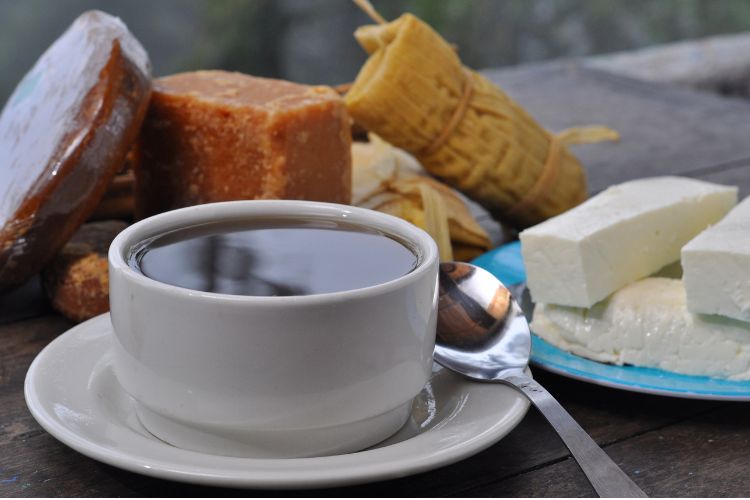
In Colombia, traditional melting cheese options like quesillo and crema doble are the everyday favorites.
They stretch, melt, and blend into hot drinks without vanishing completely. Outside Colombia, cooks often reach for paneer or mozzarella, both easy to find and reliable substitutes that mimic the texture well.
For those lucky enough to shop at Latin American markets, you might stumble across pre-cut cheese cubes made for slipping into something warm.
Global Cheeses That Work Surprisingly Well
Colombian melting cheeses aren’t the only ones ever dropped into a cup. In Finland, Leipäjuusto, often called Finnish squeaky cheese, has been enjoyed warm for centuries.
The cheese is usually made from cow’s milk, though the Sámi culture also produced dairy from reindeer, and they shared the habit of softening cheese in hot cups.
That practice, not the milk source, is what links their tradition to Colombia’s. For the curious cook, experimenting at home can go beyond the classics:
- Halloumi holds up well when warmed, offering a chewy bite that doesn’t vanish in liquid.
- Monterey Jack or Gouda can be tested, though they don’t melt as cleanly.
- Parmesan and cheddar often separate into stringy or oily layers, making them more of a playful experiment than a practical choice. Still, adventurous tasters occasionally try them, more as playful kitchen experiments than practical stand-ins.
What to Expect When It Comes to Flavor
The first sip of Colombian coffee with cheese brings out a bold contrast. The roasted bitterness of the brew softens with panela or sugar. The cheese cubes, on the other hand, turn silky, adding a gentle saltiness that lingers.
Instead of clashing, the flavors create a layered cup—smooth, rich, and unexpectedly balanced. In Colombia, the cheese-in-cup ritual is most famously tied to hot chocolate at the breakfast table, paired with bread or pastries.
Cheese in coffee isn’t widespread nationally, though it does appear in some rural regions and sparks curiosity among visitors. Elsewhere, especially in Nordic countries, pairing squeaky cheese with black coffee is a long-standing comfort, particularly within Sámi culture.
Different roots, same appeal: the mix of heat, dairy, and roasted notes transforms both chocolate and coffee into memorable drinks with a distinctly cultural edge.
The Final Scoop
Colombian cheese coffee may sound unusual, but it reflects how food and drink traditions in Colombia often surprise with simple creativity.
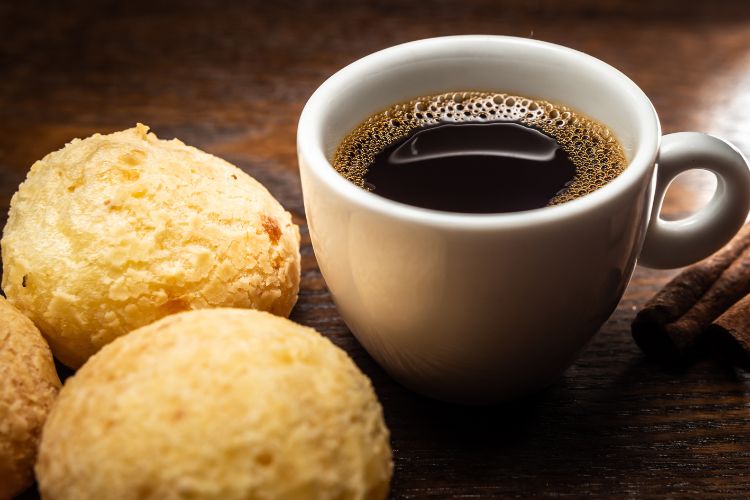
A mug of strong coffee sweetened with panela takes on a new character when soft cubes of cheese are added, slowly warming without dissolving.
The mix balances roasted depth, sweetness, and a mild saltiness that lingers as you sip and scoop. It’s not the most widespread ritual, but it carries the same spirit found across Colombian food—everyday ingredients turned into something memorable.
For locals in certain regions, it feels familiar, and for visitors, it becomes a small cultural experience worth trying. Brewed at home or enjoyed while traveling in Latin America, it’s always satisfying.
