

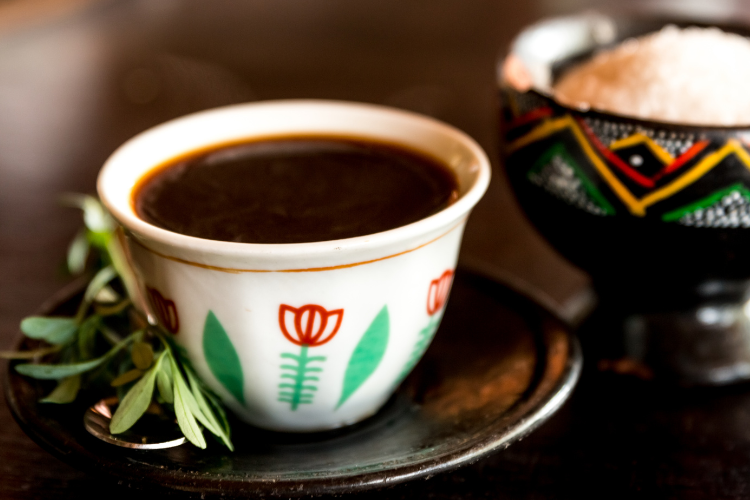
Ethiopian vs Colombian Coffee: A Full-Flavored Showdown
Ethiopian vs Colombian coffee is a common debate among folks who care about what’s in their cup. Many people confuse origins with species, assuming these beans are completely different plants.
In truth, both are Arabica beans. But the experience of drinking them couldn’t feel more distinct. Ethiopian coffee often carries floral or citrus qualities. Colombian coffee is smooth, rounded, and comforting.
The difference in flavor profile doesn’t just come from the soil. It also from processing methods, roast levels, and brewing styles.
Let’s take a deeper look at what makes Ethiopian Coffee and Colombian coffee stand apart from one another.
Where Coffee Began: Ethiopia
Ethiopia holds a special place in coffee history. Abyssinian coffee has long been linked to the very first brews, and locals still see it as part of daily life rather than a trend.
When people mention Ethiopian beans, they’re talking about one of the most diverse coffee origins on the planet.
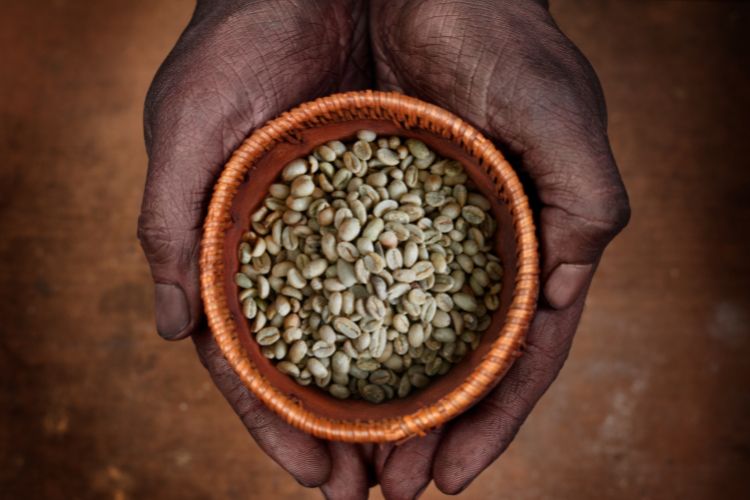
Some of the most famous regions include:
- Sidamo coffee: often bright, layered, with citrus-like qualities.
- Harari coffee: known for bold depth and a traditional coffee taste that feels timeless.
- Yirgacheffe: light, fragrant, and packed with floral tones.
Processing methods in Ethiopia include natural drying. In this method, beans rest in the sun and develop fruity flavors. Another method is washing, which creates clarity and sparkle in the coffee.
Both styles bring out very different varieties and keep brewers excited. The result? Ethiopian coffee often feels like vibrant coffee in its purest form—full of character, unafraid to show off berry notes, florals, and unexpected twists.
The Balance of Colombian Coffee
Colombia has earned its reputation as a powerhouse for coffee cultivation. Farmers here focus almost entirely on Arabica beans. These beans are known for their reliability and polished cup profile.
Three regions stand out for their distinct qualities:
- Antioquia: steady production and balanced flavors that appeal to everyday brewers.
- Huila: vibrant acidity with sweet undertones, often ranked among the best Colombian beans.
- Nariño: grown at high altitudes, producing complex coffees with a bright edge.
The flavor spectrum leans toward smoothness—nutty, chocolate-like, and at times caramel-sweet. It’s a taste that contrasts with the vibrant fruit-forward side of Ethiopian beans.
Some coffee drinkers even compare Colombian beans to Central American coffees or Peruvian coffees because of their round body and consistency.
Water and climate shape much of this identity. Colombia’s volcanic soil and steep slopes allow coffee plants to drain well, while its varied microclimates add depth and layers to the final brew.
Processing Methods: Ethiopian vs Colombian
How beans are handled right after harvest plays a huge role in the cup. And of course, processing isn’t the same everywhere—Ethiopian and Colombian farmers use very different methods. That distinction sets the stage for how each cup comes through.

Ethiopian Natural Processing
In Ethiopia, many beans are dried naturally with the fruit still around the seed. This lets sugars sink in, creating fruity, floral flavors.
The downside is a lack of uniformity—cups can vary widely. Extra soluble material in natural coffees also affects the extraction rate and TDS, which is why brewers usually adjust the grind or ratio to find a balance.
Colombian Washed Processing
Colombian coffee beans are usually washed. The pulp comes off early, beans are rinsed and fermented, and the outcome is clarity and consistency.
This method makes Colombian beans reliable for roasters, with smoother, nutty tones that drain evenly during brewing.
Ethiopian vs Colombian in Brewing
Brewing highlights how two origins can react differently to the same dose of coffee. The way grind size, ratio, and time are handled often decides whether the cup leans crisp or full-bodied.
Ethiopian beans:
- A medium or slightly finer grind with shorter contact time keeps the coffee taste bright.
- Smaller brews—around 115ml of water—emphasize clarity and floral notes.
- Gentle stirring during extraction lifts subtle citrus edges and avoids dull coffee.
Colombian beans:
- Longer immersion supports the body and a more traditional coffee taste.
- Using about 160ml of water helps round out the nutty sweetness and chocolate depth.
- Allowing steady percolation at the end smooths the finish, leaving balance in the cup.
Side by side, Ethiopian coffee feels vibrant and layered, while Colombian coffee beans deliver steadiness and comfort. Which you choose often depends on whether you want sparkle or weight in your daily brews.
Comparing Taste and Choosing Your Cup
Taste is where the difference really shows. In a simple cupping—letting the coffee steep for about four minutes before breaking the crust—Ethiopian coffee leans floral and citrus, while Colombian coffee beans show smooth, chocolate depth.

Those first sips highlight the contrast:
- Ethiopian coffee: wine-like, floral, with citrus edges. It can feel like a vibrant coffee, though a light roast brewed poorly risks turning thin or even into dull coffee.
- Colombian coffee: smooth, steady, layered with chocolate, caramel, and nutty notes. Medium roasts avoid a slight ash taste and lean into traditional coffee taste.
Once you know the flavor profile, the next step is choosing which one fits your moment. Think about the situation:
- Morning clarity → Ethiopian is a nice choice.
- Afternoon comfort → Colombian fits.
- Summer iced brew → Ethiopian beans sparkle.
- Cold month evenings → Colombian brings warmth.
Roasters like Sey, Elixr, Brandywine, and Cerini Coffee & Gifts experiment with both, so every bag feels like a new idea. Yesterday’s cup shapes your future preference, and every sip is a small cheers to luck and good taste.
The Final Scoop
Comparing Ethiopian and Colombian coffee shows how one plant can taste completely different depending on where it’s grown.
Ethiopian coffee is known for fruity complexity—wine-like notes, floral layers, and citrus brightness. In contrast, Colombian coffee beans lean toward smooth balance with chocolate, caramel, and nutty depth.
Compared with Brazilian coffee, Peruvian coffee, or Central American varieties, these two stand out for how clearly they express origin. Even Robusta coffee beans feel like a different category altogether.
The real value comes from tasting them side by side. Switch roast levels, test immersion against pour-over brews, and see how flavors shift.
The experience helps shape your own conclusions about what you enjoy most in a cup.
